My interview with ex Spurs player John Margerrison:

My interview with ex Spurs player John Margerrison:

CE364354-50C5-4B62-B428-BCEDB04DCDE4.jpeg

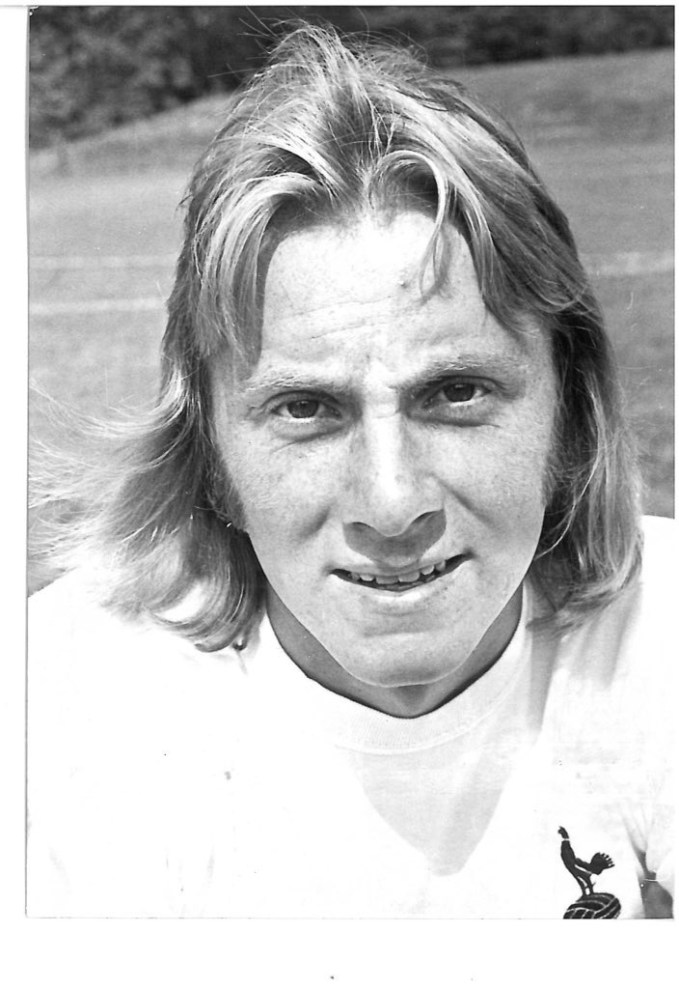
John Margerrison was a highly thought of youth prospect at Spurs during the early 1970’s. A talented central midfielder, Margerrison would go onto play a big part in Spurs winning the 1974 FA youth cup. Following on from his time at Spurs, Margerrison made a name for himself at London clubs Fulham, Leyton Orient and Barnet via stints in both Holland and America. I caught up with John to discuss his memories from his time at the club.

What are your earliest memories of your time at Spurs and how did you come about joining the club?

John: I joined Spurs from school at around 15, as an apprentice. Their scouts saw me play for the county football side, Hertsmere, and invited me down for training. From the training they then offered me an apprenticeship. Other clubs such as Arsenal, Leeds, Aston Villa also offered me apprenticeships too. I went with Spurs as always I followed them growing up. At first it was cleaning the first teams boots and the gyms, alongside the football.

What was your time at the lilywhites like on the whole?

John: Very enjoyable. Met some great players and made some good friends. Was very sad when I left.

Did you have any footballing heroes/inspiration and if so who were they?

John: To be honest I didn’t really have any specific inspirations, I just enjoyed playing football. It was a dream to be able to do it as a profession from a young age.

Who were your greatest influences at the club?

John: At the club Pat Welton the youth team coach and Eddie Bailey the reserve team coach were very influential in my progress as a player. I had a good relationship with them both. I think they saw I had potential and always tried to push me further in my development.

Being a midfielder, were there any other players at the club or outside who you’d would model your game around?

John: Again, not really. I always played midfield and enjoyed that this position meant I was quite involved in every match. I literally played from an enjoyment point of view and my game came from there with the help of coaches and teammates.


What was the toughest thing about being an apprentice at Spurs and what were your biggest challenges?

John: I think who had the biggest challenge was the coaching staff. I was always told I had great skill but lacked in pushing myself to my full potential. Getting me to do that was a challenge. Trying to get in the first team was the toughest thing. I was with great up and coming players so it was never going to be easy.

How did your time as both an apprentice and professional at Spurs prepare you for your subsequent career in the game?

John: It definitely helped make me a better player. Playing against/with great players and pushing myself to get into the first team improved my game both physically and mentally.

Could you talk me through some of your favourite memories of your time at Spurs or ones which particularly standout in your memory?

John: Just to be there, around professionals, taking in the clubs achievements was a dream come true. As I said I’d followed the club since being introduced to football so to be in the youth team was an amazing achievement.

After leaving Spurs in 1975 you went onto join fellow London club Fulham, from there you played for a variety of clubs including Leyton Orient, Barnet, Kansas City comets and Wealdstone. Could you talk me through your career post Spurs?

John: Playing at Fulham, I was close to getting in the first team and the manager came to watch me. In that game I had a stinker and later went off injured. I was close to getting transferred but worked my way back to get into the first team. The first few years at Fulham I have fond memories of. At Leyton Orient I had some good and bad games, looking back I’m disappointed in my performance at the club. At Kansas I only had a few games and didn’t really have time to adjust to the game there, as it was a 5 a side team and they played at a million miles an hour. After there I went to Holland and the team there wanted to sign me, but family commitments stopped me. Looking back I think I may have enjoyed it there. I really enjoyed my time at Barnet. I played some great football and made some life long friends. At the same time however it was here I suffered an injury that I feel I never really fully recovered from, snapping my medial ligament in my knee. This then effected my time at Wealdstone. However, I enjoyed my time there and got voted players player, and fans player of the season, so didn’t do too bad.

Whilst at Fulham you played alongside the legendary George Best, What was George like to play with?

John: He was such a fantastic player, far better than the rest of us. Not only that he was a really lovely bloke with it. I have some great memories with him.

What was the pinnacle of your career?

John: What always comes to mind is scoring against Man United in the FA cup at Fulham. Such a great feeling.

Who was the greatest player that you had the pleasure of sharing a pitch with?

John: I played with some great players, Glen Hoddle, Graham Souness. However it goes without saying that George Best was just that, the absolute best.

Are you still in contact with any of your former Tottenham team mates?

John: No, sadly not.

I couldn’t end our interview without talking about the triumphant FA youth cup winning side of 1974, a side which you played a major part in. What are your memories of that campaign and did winning the cup help your development as a player?

John: I tried to think about this but I just can’t remember much. I know I scored in the draw at White Hart Lane against Huddersfield. In the first leg we should have won the match in the first half. Second leg it was anyone’s game. A great experience and achievement in the start of my career, and I’m sure it would have gave me more confidence as a player.


My interview with former Spurs player Andy Bish:

My interview with former Spurs player Andy Bish:

3E4E8FE7-1099-4B8A-840F-AA933EE74371.jpeg

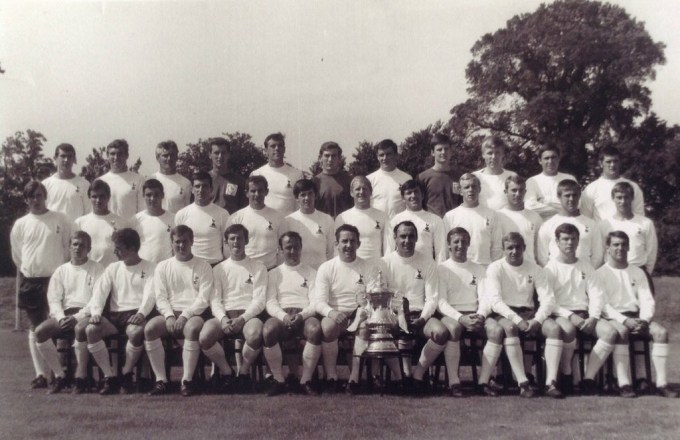
A fullback for Spurs during the 1960’s, east Londoner Andy Bish joined Spurs as a schoolboy before progressing right up to professional level for Spurs where he is pictured above, back in 1967 (third to the right of a certain Pat Jennings!). Bish never got a chance to play for the Tottenham senior side and eventually moved out to Gloucestershire, where he would combine teaching with playing for local sides Cheltenham Town and Forest Green. Bish has achieved some remarkable things throughout his career both as a footballer and as a teacher. He played over 1000 games of football and played a key role in helping Forest Green climb their way up the footballing ladder. But besides his achievements in the game, Andy has also made an outstanding contribution to teaching. Andy has taught in schools for over 40 years, a role in which he continues to do to this very day, aged 69. Mr Bish has taught both in mainstream schools and in special needs schools and PRU’s. Andy’s tales from his time at Spurs are both fascinating and intriguing, and it was both a pleasure and a privilege to have interviewed the former Spurs man about his time at the club. What he has achieved throughout his career is nothing short of extraordinary, and as a massive Spurs fan I am immensely proud to call him one of our own. Wouldn’t it be nice if Andy could be Paul Coyte’s halftime guest of honour at some point next season, in our brand new stadium!

What are your earliest memories of your time at Spurs and how did you come about joining the club?

Andy: Thank you for the opportunity to share my memories and experiences from my time at Spurs. I am 70 next birthday so the 60’s when I played are in the distant past but the questions have re-ignited memories of a wonderful time with memorable personalities. My earliest memory must be Sunday 26 April 1964 when I reported to White Hart Lane then to be taken by Henry’s Coaches to the Cheshunt Training Ground for a schoolboy trial game. My invite came after a school district Cup Final for West Ham Boys played at Upton Park where my claim to fame was to make a clearance out of the ground over the “ Chicken Run “ where the steward expected me to go and retrieve the ball. Thankfully the referee would not let me leave the field of play. Anyway after the game a Spurs scout Norman Corbett came to my house and invited me to the trial. I must have done well because I was invited to sign on as an Associate Schoolboy.

What was your time at the lilywhites like on the whole?

Andy: I had a 5 year connection with the club as a schoolboy, youth player and a Full Professional. I joined as a very impressionable 15 year old and being part of such a great club was very difficult at the time to comprehend and appreciate. One co-incidence is that in Gloucestershire where I now reside the  football club I last played for is also nicknamed the Lilywhites !

Did you have any footballing heroes/inspiration and if so who were they?

Andy: As a kid I ‘ supported ‘ Manchester United as so many people did and vividly remember when my favourite footballer Duncan Edwards died in the Munich Air Disaster but it was not long before I began a more local football allegiance. I was born and bred in East London. In the West Ham maternity hospital on the day I was born a Mrs Brooking was giving birth to her son Trevor followed a few days later by Mrs Lampard producing son Frank. So we grew up as schoolboy contemporaries amongst so many other famous names in the area. West Ham was the local team to support where at the end of games you could go on the pitch and meet the likes of Malcolm Allison and Bobby Moore who to a young boy were towering influences. In the Spurs Double Year of 60-61 I was behind the goal when Dave Mackay smashed the winner against West Ham and we all ducked in case he broke the net!

Who were your greatest influences at the club?

Andy: After my schoolboy trial at Cheshunt and signing as a schoolboy the doors into White Hart Lane opened and I became part of the club. Dick Walker was our youth contact who was the most charming and charamistic person to liaise with Mums and Dads and care for our welfare. On evening games he would bring Mrs Bick the ‘ Blonde Bombshell ‘ from the office to a night out only for her to find she was having to write up a report about the game at Ipswich or Cambridge. The coach and manager I first came into contact with was an ex player Sid Tickridge who I came to admire and really appreciated. He had been a fullback himself at the club and I am sure his reports of my games influenced my progress. As I progressed through the ranks I then came more into contact with Johnny Wallis and Eddie Baily and of course Bill Nicholson who always had a lot of time for me after I came into contact and I recounted to him that he was a one capped England player versus Portugal who scored on his debut and held the record for the fastest goal scored in 19 seconds! He shared with me how on a Tuesday he was not to be disturbed in his office as he read scouting reports on players of every position in case he had an injury and had to buy a replacement. He really laughed one time when his reports included Keith Weller and Derek Possee who he had sold to Millwall but had matured into 1st Division material. On another occasion I was in his office on a ‪Friday morning‬ when he and Eddie Baily selected the Saturday teams. Every player had a named disc that could be put on hooks on a stand for each of the 3 Professional teams. That way he accounted for all players. I recall he had asked my advice about some injuries that might affect selection. Another big influence for me was when Pat Welton became a youth coach as in the evenings I would attend the club to assist him with youth training. He became a role model and mentor for me as I took my coaching badges. Eventually he became the full time youth manager and transformed the set up to win the F.A. Youth Cup.

Being a fullback, were there any other players at the club or outside who you’d would model your game around?

Andy: In the 60’s schoolboy and youth players could sit on benches alongside the pitch for home matches. This was really up close and personal ! When Cyril Knowles was signed from Middlesbrough I related to his style of play being so close and really admired him. At pre season training at Cheshunt he organised the lunchtime cricket matches and I never knew him without a smile on his face. Later in life I met him when he was manager of Torquay and his hair had turned white. He had tragedy in his life when a stone shattered his car windscreen and killed his son sitting on the back seat. He died of a brain tumour which was very sad. Dave Mackay was an absolute mountain of a person who influenced everyone around him. On his recoveries from broken leg he played practice games and in the ‘A’ team as a left half in front of me at left back. He would talk and commentate for the whole 90 minutes helping, encouraging and offering advice. He was a great loss when he left the club. At pre season in ‘68 I was asked to show a visitor to Cheshunt to meet Dave Mackay. I found myself in a car with a soft spoken Brian Clough who was going to persuade him to go to Derby and not Hearts!

What was the toughest thing about being an apprentice at Spurs during the mid 1960’s?

Andy: I did not follow the normal route into football. On leaving school ‪at 15 a‬ young player would become an apprentice professional for 2 years before if good enough be offered a 2 year full professional contract. I was at Grammar School so took exams at 16 then Advanced Level exams at 18 because I always wanted to be a PE teacher. Way back in 1967 the Head teacher of my school came striding through the school hall after my last exam telling me he had just had a phone call from a Mr Nicholson asking permission to sign me as a Professional Footballer and could I go to the ground to sign. Off I went and signed for the grand sum of £14 a week. I would also receive travel expenses and a win bonus of £2 if I was in a winning team. I remember Bill Nicholson warning that very few players made the grade from the youth set up as every year he made a big signing to strengthen the team. I was allocated a kit number of 31 so any footwear or training kit with that number was mine. I was so proud at signing as a professional that I did not take much in but remember on the bus home wanting to tell everyone but kept quiet.

How did your time as both an apprentice and professional at Spurs prepare you for your subsequent career in the game?

Andy: What stands out for me is how well I was treated and cared for. Perhaps it was down to my personality and respect from others. However I saw how difficult some players found others around them. Graeme Souness was a apprentice who was very quickly disliked through his arrogance and attitude of superiority and antagonised those around him. Very often he had a bar of soap rammed in his mouth to shut him up. On another occasion the apprentices became so fed up with him that a few got the boot polish and “ blackened his balls “ This led to him quite often going AWOL back to Scotland.

Could you talk me through some of your favourite memories of your time at Spurs or ones which particularly standout in your memory?

Andy: It would be when I became a Full Professional and the transition from youth player. Attending pre season training for 4 weeks at Cheshunt was a real experience. All players were welcomed back before setting off on Bill Nicholson’s favourite activity, Power Walking through the lanes of Cheshunt. Then it would be communal lunch in the pavilion where Greaves and Gilzean would pick one of the young newcomers to take their order for wine to Eddie Baily who would go apoplectic and shake his fist! In the break Cyril Knowles organised teams for cricket before more power walking or jogging. Because Eddie Baily had bad knees he would ride a bike at the back of the group. He had to keep it locked up or the bike would be sabotaged with tyres let down and he even had a wheel go missing. Greaves and Gilzean were the jokers again because if a car wanted to pass they would jump on the back for a lift leaving Eddie Baily shaking his fist again. One afternoon was always a press photo shoot where we had to sit on benches whilst photographers moved along taking individual portraits before the big team photo. Once league fixtures started we trained at the ground with always one day often Wednesday at Cheshunt to play 1st team versus Reserves with track suited Bill Nicholson directing play and organising free kicks and moving players around into correct positions. Training at the ground would involve running laps around the perimeter of the pitch, exercises and weights with Bill Watson in the gym before small sided games in the indoor training area. Friday was very light with running spikes on to do sprints before team sheets were put up for the Saturday fixtures. Every home game we could buy 4 tickets which we took over to The White Hart pub to sell to Stan Flashman the ticket tout. At the start of the season we would be given 2 season tickets which most young players sold. Mine went to Frank Saul for his Canvey Island Spurs supporters. Other players had side lines. Terry Reardon would bring in clothing whilst Steve Perryman could get the Vinyl records which was how we listened to music at the time! Once the season was under way we had a day off a week plus every afternoon. So lots of spare time which I used to go back to the ground and help with the youth training. This I found an invaluable experience and made me realise how much I enjoyed working with young people.

Could you talk me through what happened after you left Spurs?

Andy: In 1969 towards the end of my contract I applied for Teacher Training at St Paul’s College, Cheltenham. Bill Nicholson was very supportive as during the War years he was a Physical Training Instructor so he did not stand in my way. My last month at Spurs was hectic playing for the Reserves against Arsenal where I marked Charlie George, Walsall and Birmingham before my farewell game at Hatfield on Saturday 17 May 1969 for the ‘A’ team which we won 3-2. It was nostalgic and brought to a conclusion 5 happy and wonderful years as a Spurs player. But as one door shuts another opens.

What prompted your move to play football in Gloucestershire and how did you manage to combine training as a teacher with playing football?

Andy: Leaving London to live in Cheltenham was a real culture shock and I had to get used to a different pace of life in the rural Cotswolds. I would never have dreamed at the time that I would go on to spend the rest of my life in Gloucestershire. Teacher training was 3 years full time where I played for the college football team. However in the final year I played Southern League football for Cheltenham Town earning £5 a game plus expenses and a win bonus. On leaving college I entered teaching as a PE teacher and having been a professional footballer this fact was always picked up on my CV. It opened so many doors to me. As well as teaching I became team manager to District and County Football teams and became well respected in The English Schools Football Association. I also started a 10 year career with Forest Green Rovers who I helped progress through County, Hellenic and Southern Leagues. They are now in the Football League.

What was the pinnacle of your career?

Andy: Looking back there are so many highlights. From my time at Spurs I have always kept a record of games played. My last games as a spritely 50 something were in the Umbro Veterans Competition and in the Gloucestershire Senior League for a Stroud team called Brimscombe nicknamed ‘The Lilywhites’. The pinnacle came when I realised an ambition when my record of games showed I had reached 1000 games. I had a good write up in the local press and felt that I should now move aside for a younger generation. I carried on coaching for a while with the Gloucester Ladies Team which was a new experience. During one session someone had a quiet word about not coaching chest control!

Who was the greatest player that you had the pleasure of sharing a pitch with?

Andy: Two players stand out. Dave Mackay who was a great role model and inspiration and whilst at Cheltenham we had Johnny Haynes ex Fulham and England as a guest player. He was always looking for the ball and seemed like a magnet in receiving the ball.

Are you still in contact with any of your former Spurs team mates?

Andy: The players at Spurs were team mates who you trained and played with did not really socialise with so I am not in contact. However I have come across ex players in later life. I played against David Jenkins in Bristol, Steve Pitt and Brian Parkinson who were playing for Stevenage and Cheltenham played Swindon who were managed by Dave Mackay and had Ray Bunkell as a player. In 1986 after the ‘hand of God’ World Cup Glenn Hoddle and myself had neighbouring holiday homes in Spain. Topics of conversation were about Spurs but he was about to leave for Monaco. Little did I know that by 1991 he was back in England as player manager of Swindon and I would be coaching at their Centre of Excellence and Manager of their Under 15 Youth Team which I combined with teaching. Dare I mention Arsenal! One of my managers at Forest Green was Peter Goring ex Arsenal from the 50’s. I had taken training for him one evening and in the clubhouse after he gave me a handful of loose change to buy myself a drink. Amongst the coins was a medal. When I returned it he said thank goodness, I wondered where that was. It was his F.A. Cup Final Winners Medal from 1950 when Arsenal beat Liverpool. Luckily I had not spent it! Whilst playing one ‪Saturday afternoon‬ an opponent told me he knew me from Spurs. It turned out to be Peter Storey who used to be an Arsenal player before being given a prison sentence for counterfeiting coins and running a brothel. He was in HMP Leyhill where on a Saturday he was allowed out to play local football. After the game I stood him his drinks while his escorting prison officer waited outside. Later in the evening he reluctantly left to go back to prison. Some months later I received a package with sovereigns inside. After some deliberation I posted them back ‘Return to Sender ‘ as I guessed they must be from him and maybe dodgy.

I couldn’t end the interview without talking about your subsequent career as a teacher something which I know that you are very proud about. Would you mind talking about that?

Andy: I have been a teacher for over 40 years and although past retirement age I still teach and mentor pupils excluded from school. I started as a PE teacher and found it one of the best jobs you could wish for because most children enjoy sport. As I got into my 40’s I started to teach in a Special Needs School for children with Emotional and Behavioral Difficulties. I have always related to young people and although very difficult and challenging it is very worthwhile to make a difference in someone’s life.

My interview with former Spurs goalkeeper Ian Cranstone:

My interview with former Spurs goalkeeper Ian Cranstone:

D93BCCBD-F2E3-4397-B7F5-C331DFC2F25A.jpeg

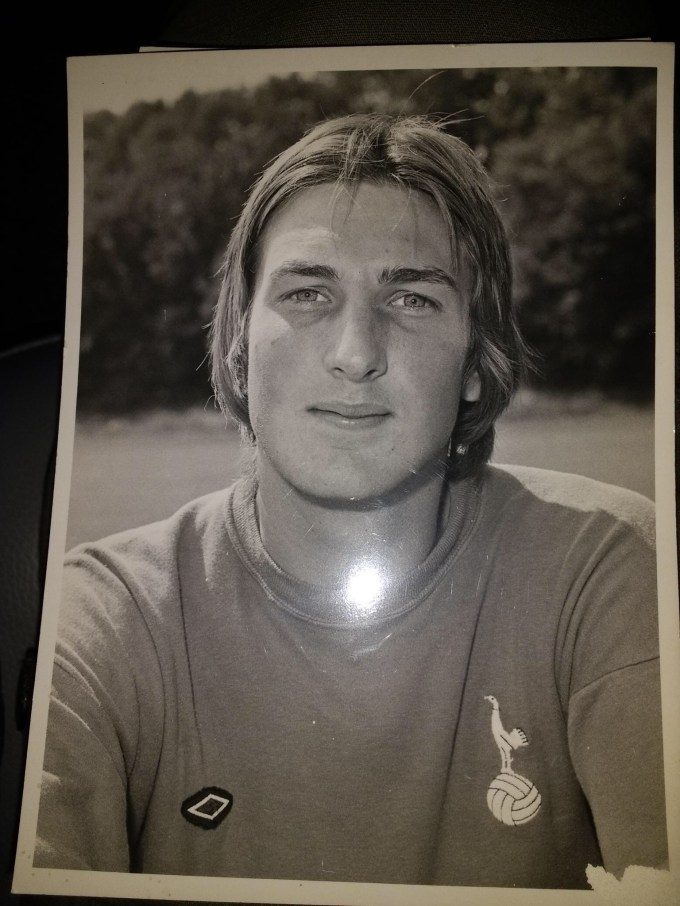
A key component of the 1973/74 FA youth cup winning side, goalkeeper Ian Cranstone played a significant part of Tottenham successes. A talented young goalkeeper who signed for the club in 1972, Cranstone was a part of one of the most talented Tottenham youth teams in the clubs history. I caught up with Ian to chat about his time at the club and subsequent career at both Colchester United and Wealdstone.

What are your earliest memories of your time at Spurs and how did you come about joining the club?

Ian: Playing for Essex County schools. Scouted by Dicky Walker who was the chief scout at the time and a legend. Aged 15 ½ years of age it was a big deal to leave home and stay in a strange place. Being cared for by another couple (adopted parents). Playing for the club was an honour. Wherever you went in the Tottenham area people would know who you were and would stop and talk to you. Even away games, supporters would ask for your autograph. I would always oblige. It was great!

What was your time at the lilywhites like on the whole?

Ian: A great experience, a dream come true. The experience still remains with me. Being around famous people and socialising with the first team players and players from other clubs, it was fantastic.

Did you have any footballing heroes/inspiration and if so who were they?

Ian: Apart from Pat Jennings of course, my goalkeeping hero was Peter Shilton. I met him by chance in a hotel in Nottingham prior to me playing for Notts County for a trial match when I was playing for Wealdstone. Peter was playing for Nottingham Forest at the time and lived in the hotel.

Who were your greatest influences at the club?

Ian: Pat Welton the youth team coach and ex Leyton Orient goalkeeper. The coach that had all the character was Eddie Bailey, first team coach and assistant to Bill Nicholson. Johnny Wallis was the clubs first team trainer and he had to make sure that all the kit was ready for training sessions and boots were cleaned etc. Johnny was in charge of the apprentices when not in training and it was our jobs to clean up and do jobs around the ground (White Hart Lane) etc.

Who were you favourite players at the club?

Ian: Cyril Knowles was my favourite as he always had a smile on his face and joked about a lot.

You shared a house with the likes of Graeme Souness and Noel Brotherston  in Tottenham during your time as a youth player, a far cry from the luxury that our current youth players enjoy today. What was that experience like for you?

Ian: Quite daunting! I was not a very confident person, so to share a house with established players like Graeme Souness and Chris Jones was a big deal. In total there were six of us at one point in the house, (Clive Avenue). I had the opportunity of going home once a month subject to football fixtures… My parents were living in South Wales at the time. I would travel by train ‪Saturday afternoon‬ and return ‪Sunday night‬. At 15 ½ years of age and an only child it was quite a life change. One I wouldn’t want to swap.

How did your time at Spurs prepare you for your subsequent career in the game?

Ian: My expectations were quite high and the training regime was tough. It taught me to work hard and never expect anything. Moving from Spurs to other clubs was a shock as other clubs could not come up to the standards Spurs had given me.

Could you talk me through some of your favourite memories of your time at Spurs or ones which particularly standout within your memory?

There are so many. During my Spurs career we were the most successful London youth football team around. We won every youth competition in London, plus the South East Counties League. My best moment was in the second half of extra time in the second leg of the FA youth cup final. The score was 0-0. Huddersfield had an attack. A high ball came into the penalty box and one of their players got on the end and headed it towards goal. It was in all intense purposes a goal. I was on my six yard line and the ball went over my head. I ran backwards and leapt up into the air and managed to tip the ball over the bar for a corner. Minutes later Roger Gibbins scores at the other end.
The rest is history!

Sadder story was the occasion I broke my 5th matatarsus bone in my right foot whilst playing in a tournament in Rotterdam prior to the UEFA cup final between Spurs and Ajax. Having smothered a through ball, the opposition forward decided to carry on and kick my foot. I stood up to kick the ball out and I heard the bone break. I had to travel all the way back to Tottenham in a plaster cast and then a taxi took me all the way to South Wales.

After departing the lilywhites you went onto play for teams such as Colchester United and Wealdstone. could you talk me through what prompted you to leave the club, and your career post Spurs?

Ian: I was given a free transfer from the club by Keith Burkinshaw. Spurs signed a young up and coming goalkeeper, ‪Mark Kendall‬. At the time the club had Barry Daines, Nicky Markwick and myself. One of us had to leave and it was me. After lots of rejections from lower clubs I finally ended up at Colchester United. Again like Spurs I had joined a club that had a well established goalkeeper, Micky Walker (father of Ian Walker). I signed a one year contract with a one year option. This was a standard contract format at the time. Unfortunately the one time I had to make my league debut was against Newport County away. The game got called off due to a waterlogged pitch.
After that I sustained a broken scaphoid bone in my left wrist and it needed surgery and a one inch screw inserted. I was in plaster for 15 weeks. To this day I still have the screw inside me. A cover goalkeeper from Ipswich Town came to the club on loan. He was fortunate enough to play three league games and that was the end of my career at Colchester United.

After Colchester United I held down a civvy job and played semi pro for Wealdstone in the Alliance Premier league. Notable claim to fame was Stuart Pearce being my left back and substitute goalkeeper when I was concussed during a match at Scarborough. Although not mentioned directly in Stuarts autobiography the incident is mentioned.

Who was the toughest forward that you came ever came up against?

I have played against some well known forwards during my youth years and reserve games. Notable forwards: Charlie George, Frank Stapleton, Kerry Dixon, Jimmy Greaves (Barnet), Martin Chivers, Alan Gilzean during training sessions.

What was the pinnacle of your career?

Without a doubt the FA Youth cup victory. If it wasn’t for a penalty save against Leyton Orient (Dean Moody) we wouldn’t have progressed. Signing professional forms as well.

Who was the greatest player that you had the pleasure of sharing a pitch with?

Ian: One year I played in the London Evening Standard football five a side tournament which was televised. We got beat 5-0 by Millwall. That was my 15 minutes of fame! Our team was Glenn Hoddle, Martin Chivers, John Pratt, Jimmy Robertson and myself. We were abysmal. So the greatest has to be Glenn. He was groomed to be great.

You’re still a Spurs fan and member at the club, what does the club still mean to you now after all these years?

Ian: I have enjoyed seeing the club evolve. Money has been a big influence how clubs are run and the facilities they can provide. I wish I was born in the 90’s. The opportunities for players is much greater and the off pitch support the club can offer players. It is a shame however that having played for the club there is no contact. At the end of the day players are only a commodity.

1974 will be a year which will always be synonymous with our triumphant FA youth cup campaign. A campaign in which you played a major part in, could you talk me through your memories of that campaign?

Ian: The team had the confidence to walk onto the pitch and had the belief we would win. I can recall playing at Birmingham City (St Andrews) midweek with empty stands and the thumping of an industrial hammer pounding away constantly. As mentioned before the penalty save against Leyton Orient
the semi final, two legged against Arsenal. They had a talented team and many went on to first team glory and beyond. It was 0-0 at W.H.L. Under floodlights at Highbury was magical. We won the final 1-0 at W.H.L. It was disappointing. There wasn’t much atmosphere. Huddersfield were content to frustrate us and so it proved, 0-0. At Huddersfield in front of 14,000 home supporters the atmosphere was electric. The goals were tight up against the stands and I had coins and coke cans thrown at me, along with verbal taunts. All tactics to unsettle me and break my concentration. It didn’t work! I did come into some money! LOL. After the game in the dressing room and having photos taken with Bill Nicholson (he signed me as an apprentice professional) it was special and who would have thought I would be writing about such an occasion 46 years on?

My interview with former Spurs man Eddie Gormley:
My interview with former Spurs man Eddie Gormley:

A934CDE5-575F-48D4-9EEF-0E3FDD05D857

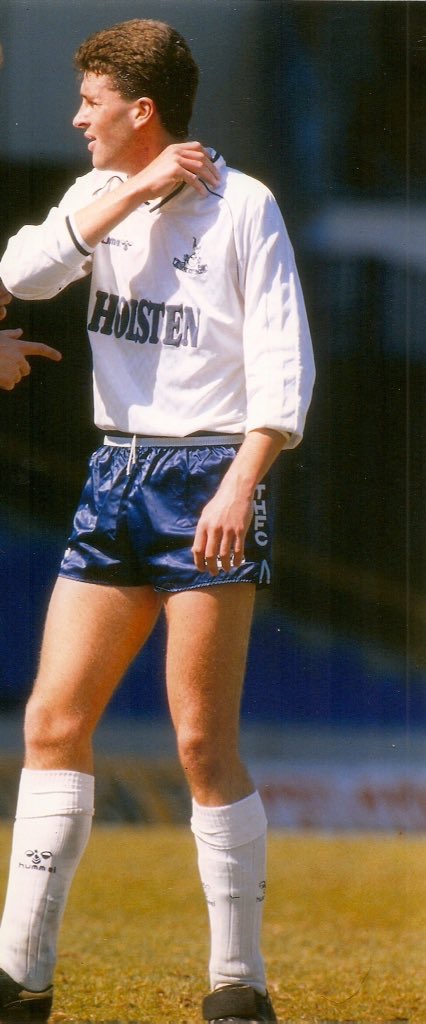
Eddie Gormley came across the water as a teenager to sign for Spurs in 1988, the young Dubliner had been scouted by a certain David Pleat but following Pleat’s dismissal during the 87-88 season, Gormley was officially signed by new boss Terry Venables. Unable to make the breakthrough to the first team, the Ireland under 21 international spent his three years at the lilywhites playing for the reserve team. A tricky winger, Gormley subsequently went onto play for the likes of Doncaster Rovers, Chesterfield and a plethora of Irish clubs. Gormley went onto forge a hugely successful playing career back in his native country. Since retiring from the game in 2005 Gormley has since turned his hand to coaching. First taking charge of Irish premier division side Bray Wanderers, Gormley then went onto coach Cabinteely in the second tier of Irish football, where he remains in charge today. Eddie kindly spoke to me about his time at Spurs and subsequent career in the game.

Questions:

What are your earliest memories of your time at Spurs and how did you come about joining the club?

Eddie: I was playing league of Ireland here, obviously Spurs came to watch me in a game against Dundalk and a week later they signed me. My earliest memories was I think my first game, I was only at the club maybe three days and we were playing Gillingham away in a reserve game. And I was taken off at halftime and it was an absolute disaster. You know I found it difficult to get with the pace of the game you know, obviously playing with players in the reserve team that would have played in the first team. So coming from the league of Ireland it took me a while to adjust to it. I got a bad ankle injury when I chipped my bone, so I was out for about eight weeks with that. So that was sort of the first year I was there.

What was your time at Spurs like on the whole?

Eddie: I really enjoyed it, obviously it was difficult to get into the first team at that time. You had Lineker playing and the likes of Paul Gascoigne but I really enjoyed it. Going training I really knuckled down and took on board the coaching I was getting, and just really tried to improve myself as a player and see where that took me, you know. I had three good years there, the final year was probably my best year where I played most of the reserve games. I scored a good few goals playing wide left, as a whole I really enjoyed the experience and when your with a club like Spurs If you don’t enjoy it then there’s something wrong with you!

Who was your footballing inspiration/hero?

Eddie: I was a wide player so my first thoughts would be the 70’s, the likes of Steve Coppell and Gordon Hill, those sorts of players. They were wide players, they were quick and they were great crossers of the ball. And obviously I was a Man United supporter, but I also remember the 1981 cup final I think it was between Spurs and Man City. And Ricky Villa scored that incredible goal, obviously he’d gone when I got there, and Ardilles. But I can remember Ardilles playing in the 78 World Cup final, and obviously when I arrived I was a little bit in awe of him you know.

Who were your greatest influences at the club?

Eddie: Obviously Doug Livermore the coach when I got there and obviously Ray Clemence came on board then. So they were obviously a big influence on me. But I have to say now, who impressed me the most was probably Terry Venables, just the way he spoke to everybody the same, he treated everybody the same you know. He was the type of manager that you’d run through walls for, you know. Unfortunately I never played for the first team but given the opportunity I certainty would of, he was a gentleman. So they were my biggest influences.

Being a winger were there any other players at the club or outside who you’d would model your game around?

Eddie: Not really, I just really focused on myself and just trying to do the best I could. So not really, I wouldn’t say I moulded myself on anybody I would have just really got on and tried to be my own type of player.

Coming across the water to England as a teenager in the late 80’s would have been a big step for you to make. What was the toughest thing about being a professional at Spurs and what were your biggest challenges that you faced?

Eddie: It was very difficult, coming from Dublin and being dropped at London. I mean it’s like chalk and cheese, obviously the home sickness was a difficult thing. But you’d just tell yourself no listen you’ve just got to get through it, but it did take me a little while to settle down but luckily enough I was put in with an Irish family, the Moores. So that helped me really adjust, but it is difficult and being away from your own family and going out to a top club trying to produce. It gets less difficult but you just take your time. A lot of players go home with home sickness but I looked at it very simply. That I’d been given this three years and to see where it takes me, If I end up getting a career over in England or in worst case scenario I come back to Bray after three years.

How did your time as a professional at Spurs prepare you for your subsequent career in the game?

Eddie: It was a huge help, I mean when you go into an environment like Spurs you have to be very professional adjusting. I was lucky enough that there were some very good players there that looked after me you know. Like Gary Stevens, Garry Mabbutt and Tony Parkes. These types of players you know they were top, top pros and they always had a word with you and had time for you. So it just makes you more professional, It makes you realise how difficult it is to get to the top and what it takes. The dedication it takes to succeed you know.

Could you talk me through some of your favourite memories of your time at Spurs or ones which particularly standout within your memory?

Eddie: I suppose the last season, we won the reserve league and I think I scored something like seven or eight goals in the last ten games, I just remember scoring a lot of goals towards the end. And obviously one of my last games was playing in Danny Blanchflower’s testimonial against Northern Ireland. I played some of that game, I have to say now I really enjoyed playing in front of a nearly full stadium you know. It was enjoyable to get a run in the first team against an international side.

After departing the lilywhites you went on to play for the likes of Doncaster, St Patrick’s and Bray Could you talk me through your career post Spurs?

Eddie: I was offered another year by Terry Venables at Spurs but I just felt I wasn’t going to get an opportunity in the first team, so I decided to move on. So I had a good few calls from other clubs, so when I went home for the summer I just decided I’ll go and meet them. I literally got the boat back to Holyhead and drove from the north to the south, meeting all the clubs and the one that impressed me most was Billy Bremner with Doncaster. So I signed with them and had three very good years. I won the players player of the year and player of the year in the last two years that I was there. Then unfortunately I had a little fallout over the contract. My wife had just had her first child so she wanted to move back to Ireland so it was just coincidence with me falling out with them with my contract. I eventually went on loan first because Doncaster wouldn’t release me. They let me go out on loan with Drogheda, I played there on loan for about two months and then St Patricks Athletic with Brian Kerr who was later the Ireland manager, got me to sign for St Pats. So I never looked back after that, I had seven or eight good seasons at St Pats where I won three leagues and the Irish player of the year, I had a good innings let’s say with Pats. And then when I hit 30-31 I always said I’d finish with Bray because it was the club I started out with. So I even bumped into the Bray manager who was actually my adviser when I went to Spurs in the first place, he was the Bray manager when I left.

Pat asked me if I would be interested, they’d just been promoted back to the premier division and he asked me if I’d go back. So I’d go back and play for the last couple of years and I ended up playing till I was 36. Actually the first year I went back we should have won the league, we were unlucky we had a very strong squad. We actually lost to the weaker team which really cost us dearly we should have won the league that year, which would have been nice as they’d never won it before you know. I finished up playing really with them, when I was 36 I retired. Obviously they asked me to go on the coaching staff because I had my badges, so I done that and Pat Devlin moved onto work with Steve Staunton at the Ireland team. And they basically asked me to take over as their manager (at Bray). So I managed them for four years and then I resigned after four years, things weren’t going well and the budget here was pushing the boat a bit down south you know. I finished that up and ended staying out of football for a year, and my local team Cabinteely which my eldest son was football for at the time asked me the usual. Would I do a coaching session for the team and would I look after the age group, and would I be director of coaching for when they got national league football. They asked me would I manage the team. I done it on a short term basis for two years which was meant to be for two months. That’s it really, that’s it in a nut shell.

Who was the toughest fullback that you came ever came up against?

Eddie: Toughest fullback… probably a lad who played here called Willie Burke. He played for Shamrock rovers and ended up signing for St Pats actually after that. He wasn’t a big lad but he was aggressive, he was quick and he read the game really well. He really knew how to give you a tough game, he was probably the toughest fullback I played against.

What was the pinnacle of your career?

Eddie: Probably a couple, obviously getting my under 21 caps for Ireland, but obviously winning the league of Ireland three times, there’s so many but that would probably be the pinnacle of my career. Winning that and winning the LOI players player of the year, it was nice to get recognised by players that you played against you know.

Who was the greatest player that you had the pleasure of sharing a pitch with?

Eddie: I’d have to say Gascoigne, when I played in that friendly game he was just unbelievable, unbelievable! He was a good lad as well, a gentleman you know but he was absolutely top drawer.

How quickly did you adapt to playing reserve team football for Spurs and how did it aid your development as a footballer?

Eddie: It took me a while to adapt if I was to be honest with you, probably it took me the best of six months really to adapt to it. So obviously there was an injury thrown in there as well, it’s difficult when you’re dealing with so many things and your a young Irish player going over. It’s just a totally different way of life to the life I was used to. Being laid back you know and you’re dropped into London England, and everything’s 100 miles an hour. You’re dealing with your family not being around, your’e dealing with the players, the tempo of the game. But you know it took me a good six months to adapt, it really did but I think it made me a better player obviously. The second year and then the third year I have to say now I thoroughly enjoyed it towards the third year you know.

Whilst at Doncaster Rovers you played under the legendary Billy Bremner, could you describe what it was like to be coached by such a legendary figure in the game?

Eddie: Just his knowledge of the game was just phenomenal you know. And I was lucky enough I was a central midfield player at that stage. The first season I arrived I played wide left so I think the first couple of months he just said you’re a central midfield player. There’s a good story I always tell, he used to train with us on a Friday. I remember a particular day he played for the second team, he told us the starting lineup for Saturday. He played a ball out to the right winger and he took off down the line, and I just took off to break into the box. And as the winger went to cross the ball I just remember waking up not being able to breath, he’d literally just dropped his shoulder and he’d ran right into me, and it just winded me. He said to me I’ll give you a bit of advice, always watch where you’re running! And fair enough he must have been 50 odd at that stage, being a fit lad he absolutely floored me you know. His knowledge of the game was just phenomenal.

Since retiring from the game you have since entered the world of management, first taking charge of Irish premier division club Bray and then Cabinteely who you are currently in charge of at the moment. How has that experience been for you so far and do you have any ambitions of coaching in England in the future or even back at Spurs in some capacity?

Eddie: I think my days as a coach in England now are gone, it’s just not a logical thing for me at the moment. My coaching ambitions, to be honest with you I enjoy coaching the underage sides an awful lot more and prefer to give back that way. The reason I ended up at Cabinteely for three years managing the first team was because they needed me in order to get their license. They needed someone that had a pro license, I agreed to step in on a temporary basis till they got somebody else in and that took two years. And then I resigned at the end of the two years as I just prefer being a coach then a manager. I enjoy the underage stuff an awful lot more then senior football, I’ll be totally honest with you.

Troy Parrott is a young Irishman who is touted for great things both at Spurs and on the international stage for Ireland. As somebody who was once in Parrott’s shoes what would your advice be to young Troy as he looks to work his way up the ranks at Spurs?

Eddie: To stay mentally strong and bounce back from your disappointments as you will have disappointments sometimes. You think you should get picked and you don’t, but just to basically stay mentally strong. If you can do that you’ll always have a good chance you know. I mean he has the ability but sometimes you need to have your head straight. Everybody gets disappointments in games but it’s how you bounce back from them you know. If you’re mentally strong you’ve got a great chance.
My interview with former Spurs man Eddie Gormley:

My interview with former Spurs man Eddie Gormley:

A934CDE5-575F-48D4-9EEF-0E3FDD05D857.jpeg

Eddie Gormley came across the water as a teenager to sign for Spurs in 1988, the young Dubliner had been scouted by a certain David Pleat but following Pleat’s dismissal during the 87-88 season, Gormley was officially signed by new boss Terry Venables. Unable to make the breakthrough to the first team, the Ireland under 21 international spent his three years at the lilywhites playing for the reserve team. A tricky winger, Gormley subsequently went onto play for the likes of Doncaster Rovers, Chesterfield and a plethora of Irish clubs. Gormley went onto forge a hugely successful playing career back in his native country. Since retiring from the game in 2005 Gormley has since turned his hand to coaching. First taking charge of Irish premier division side Bray Wanderers, Gormley then went onto coach Cabinteely in the second tier of Irish football, where he remains in charge today. Eddie kindly spoke to me about his time at Spurs and subsequent career in the game.

Questions:

What are your earliest memories of your time at Spurs and how did you come about joining the club?

Eddie: I was playing league of Ireland here, obviously Spurs came to watch me in a game against Dundalk and a week later they signed me. My earliest memories was I think my first game, I was only at the club maybe three days and we were playing Gillingham away in a reserve game. And I was taken off at halftime and it was an absolute disaster. You know I found it difficult to get with the pace of the game you know, obviously playing with players in the reserve team that would have played in the first team. So coming from the league of Ireland it took me a while to adjust to it. I got a bad ankle injury when I chipped my bone, so I was out for about eight weeks with that. So that was sort of the first year I was there.

What was your time at Spurs like on the whole?

Eddie: I really enjoyed it, obviously it was difficult to get into the first team at that time. You had Lineker playing and the likes of Paul Gascoigne but I really enjoyed it. Going training I really knuckled down and took on board the coaching I was getting, and just really tried to improve myself as a player and see where that took me, you know. I had three good years there, the final year was probably my best year where I played most of the reserve games. I scored a good few goals playing wide left, as a whole I really enjoyed the experience and when your with a club like Spurs If you don’t enjoy it then there’s something wrong with you!

Who was your footballing inspiration/hero?

Eddie: I was a wide player so my first thoughts would be the 70’s, the likes of Steve Coppell and Gordon Hill, those sorts of players. They were wide players, they were quick and they were great crossers of the ball. And obviously I was a Man United supporter, but I also remember the 1981 cup final I think it was between Spurs and Man City. And Ricky Villa scored that incredible goal, obviously he’d gone when I got there, and Ardilles. But I can remember Ardilles playing in the 78 World Cup final, and obviously when I arrived I was a little bit in awe of him you know.

Who were your greatest influences at the club?

Eddie: Obviously Doug Livermore the coach when I got there and obviously Ray Clemence came on board then. So they were obviously a big influence on me. But I have to say now, who impressed me the most was probably Terry Venables, just the way he spoke to everybody the same, he treated everybody the same you know. He was the type of manager that you’d run through walls for, you know. Unfortunately I never played for the first team but given the opportunity I certainty would of, he was a gentleman. So they were my biggest influences.

Being a winger were there any other players at the club or outside who you’d would model your game around?

Eddie: Not really, I just really focused on myself and just trying to do the best I could. So not really, I wouldn’t say I moulded myself on anybody I would have just really got on and tried to be my own type of player.

Coming across the water to England as a teenager in the late 80’s would have been a big step for you to make. What was the toughest thing about being a professional at Spurs and what were your biggest challenges that you faced?

Eddie: It was very difficult, coming from Dublin and being dropped at London. I mean it’s like chalk and cheese, obviously the home sickness was a difficult thing. But you’d just tell yourself no listen you’ve just got to get through it, but it did take me a little while to settle down but luckily enough I was put in with an Irish family, the Moores. So that helped me really adjust, but it is difficult and being away from your own family and going out to a top club trying to produce. It gets less difficult but you just take your time. A lot of players go home with home sickness but I looked at it very simply. That I’d been given this three years and to see where it takes me, If I end up getting a career over in England or in worst case scenario I come back to Bray after three years.

How did your time as a professional at Spurs prepare you for your subsequent career in the game?

Eddie: It was a huge help, I mean when you go into an environment like Spurs you have to be very professional adjusting. I was lucky enough that there were some very good players there that looked after me you know. Like Gary Stevens, Garry Mabbutt and Tony Parkes. These types of players you know they were top, top pros and they always had a word with you and had time for you. So it just makes you more professional, It makes you realise how difficult it is to get to the top and what it takes. The dedication it takes to succeed you know.

Could you talk me through some of your favourite memories of your time at Spurs or ones which particularly standout within your memory?

Eddie: I suppose the last season, we won the reserve league and I think I scored something like seven or eight goals in the last ten games, I just remember scoring a lot of goals towards the end. And obviously one of my last games was playing in Danny Blanchflower’s testimonial against Northern Ireland. I played some of that game, I have to say now I really enjoyed playing in front of a nearly full stadium you know. It was enjoyable to get a run in the first team against an international side.

After departing the lilywhites you went on to play for the likes of Doncaster, St Patrick’s and Bray Could you talk me through your career post Spurs?

Eddie: I was offered another year by Terry Venables at Spurs but I just felt I wasn’t going to get an opportunity in the first team, so I decided to move on. So I had a good few calls from other clubs, so when I went home for the summer I just decided I’ll go and meet them. I literally got the boat back to Holyhead and drove from the north to the south, meeting all the clubs and the one that impressed me most was Billy Bremner with Doncaster. So I signed with them and had three very good years. I won the players player of the year and player of the year in the last two years that I was there. Then unfortunately I had a little fallout over the contract. My wife had just had her first child so she wanted to move back to Ireland so it was just coincidence with me falling out with them with my contract. I eventually went on loan first because Doncaster wouldn’t release me. They let me go out on loan with Drogheda, I played there on loan for about two months and then St Patricks Athletic with Brian Kerr who was later the Ireland manager, got me to sign for St Pats. So I never looked back after that, I had seven or eight good seasons at St Pats where I won three leagues and the Irish player of the year, I had a good innings let’s say with Pats. And then when I hit 30-31 I always said I’d finish with Bray because it was the club I started out with. So I even bumped into the Bray manager who was actually my adviser when I went to Spurs in the first place, he was the Bray manager when I left.

Pat asked me if I would be interested, they’d just been promoted back to the premier division and he asked me if I’d go back. So I’d go back and play for the last couple of years and I ended up playing till I was 36. Actually the first year I went back we should have won the league, we were unlucky we had a very strong squad. We actually lost to the weaker team which really cost us dearly we should have won the league that year, which would have been nice as they’d never won it before you know. I finished up playing really with them, when I was 36 I retired. Obviously they asked me to go on the coaching staff because I had my badges, so I done that and Pat Devlin moved onto work with Steve Staunton at the Ireland team. And they basically asked me to take over as their manager (at Bray). So I managed them for four years and then I resigned after four years, things weren’t going well and the budget here was pushing the boat a bit down south you know. I finished that up and ended staying out of football for a year, and my local team Cabinteely which my eldest son was football for at the time asked me the usual. Would I do a coaching session for the team and would I look after the age group, and would I be director of coaching for when they got national league football. They asked me would I manage the team. I done it on a short term basis for two years which was meant to be for two months. That’s it really, that’s it in a nut shell.

Who was the toughest fullback that you came ever came up against?

Eddie: Toughest fullback… probably a lad who played here called Willie Burke. He played for Shamrock rovers and ended up signing for St Pats actually after that. He wasn’t a big lad but he was aggressive, he was quick and he read the game really well. He really knew how to give you a tough game, he was probably the toughest fullback I played against.

What was the pinnacle of your career?

Eddie: Probably a coupl, obviously getting my under 21 caps for Ireland, but obviously winning the league of Ireland three times, there’s so many but that would probably be the pinnacle of my career. Winning that and winning the LOI players player of the year, it was nice to get recognised by players that you played against you know.

Who was the greatest player that you had the pleasure of sharing a pitch with?

Eddie: I’d have to say Gascoigne, when I played in that friendly game he was just unbelievable, unbelievable! He was a good lad as well, a gentleman you know but he was absolutely top drawer.

How quickly did you adapt to playing reserve team football for Spurs and how did it aid your development as a footballer?

Eddie: It took me a while to adapt if I was to be honest with you, probably it took me the best of six months really to adapt to it. So obviously there was an injury thrown in there as well, it’s difficult when you’re dealing with so many things and your a young Irish player going over. It’s just a totally different way of life to the life I was used to. Being laid back you know and you’re dropped into London England, and everything’s 100 miles an hour. You’re dealing with your family not being around, your’e dealing with the players, the tempo of the game. But you know it took me a good six months to adapt, it really did but I think it made me a better player obviously. The second year and then the third year I have to say now I thoroughly enjoyed it towards the third year you know.

Whilst at Doncaster Rovers you played under the legendary Billy Bremner, could you describe what it was like to be coached by such a legendary figure in the game?

Eddie: Just his knowledge of the game was just phenomenal you know. And I was lucky enough I was a central midfield player at that stage. The first season I arrived I played wide left so I think the first couple of months he just said you’re a central midfield player. There’s a good story I always tell, he used to train with us on a Friday. I remember a particular day he played for the second team, he told us the starting lineup for Saturday. He played a ball out to the right winger and he took off down the line, and I just took off to break into the box. And as the winger went to cross the ball I just remember waking up not being able to breath, he’d literally just dropped his shoulder and he’d ran right into me, and it just winded me. He said to me I’ll give you a bit of advice, always watch where you’re running! And fair enough he must have been 50 odd at that stage, being a fit lad he absolutely floored me you know. His knowledge of the game was just phenomenal.

Since retiring from the game you have since entered the world of management, first taking charge of Irish premier division club Bray and then Cabinteely who you are currently in charge of at the moment. How has that experience been for you so far and do you have any ambitions of coaching in England in the future or even back at Spurs in some capacity?

Eddie: I think my days as a coach in England now are gone, it’s just not a logical thing for me at the moment. My coaching ambitions, to be honest with you I enjoy coaching the underage sides an awful lot more and prefer to give back that way. The reason I ended up at Cabinteely for three years managing the first team was because they needed me in order to get their license. They needed someone that had a pro license, I agreed to step in on a temporary basis till they got somebody else in and that took two years. And then I resigned at the end of the two years as I just prefer being a coach then a manager. I enjoy the underage stuff an awful lot more then senior football, I’ll be totally honest with you.

Troy Parrott is a young Irishman who is touted for great things both at Spurs and on the international stage for Ireland. As somebody who was once in Parrott’s shoes what would your advice be to young Troy as he looks to work his way up the ranks at Spurs?

Eddie: To stay mentally strong and bounce back from your disappointments as you will have disappointments sometimes. You think you should get picked and you don’t, but just to basically stay mentally strong. If you can do that you’ll always have a good chance you know. I mean he has the ability but sometimes you need to have your head straight. Everybody gets disappointments in games but it’s how you bounce back from them you know. If you’re mentally strong you’ve got a great chance.
My interview with former Spurs star Ian Walker:

My interview with former Spurs star Ian Walker:

E1469C99-4F70-4E74-9144-6BF7BD00FC46.jpeg

I needn’t introduce one of our most successful academy graduates of the 20th century. Goalkeeper Ian Walker rose up the ranks at youth level before making the grade at first team level. Making 312 appearances for the lilywhites over an 11 year period. Walker was one of the finest English goalkeepers of his generation and was capped four times by the three lions. Spells at Leicester and Bolton followed for the Watford born goalkeeper before he retired from te game in 2008. Ian kindly agreed to doing an interview with me about his time at the club, and I must say it was an absolute privilege to do so.

What are your earliest memories of your time at Spurs and how did you come about joining the club?

Ian: Earliest memory was going to watch an evening game with my dad when I was at Lilleshall. I remember walking through the gates and feeling the atmosphere, I knew straight away I wanted to join the club, there was something magical about it. Luckily being at Lilleshall I had quite a few clubs interested in me and as soon as I knew Spurs wanted me that was it.

What was your time at Spurs like on the whole?

Ian: I loved my time at Spurs, of course there were some ups and downs. From the beginning things went very well, we had a very successful youth team and I managed to move through pretty quickly into first team contention. Once I got into the first team I felt like I had some very good times and some which were up and down, my level dropped at some points and I felt I could and should have done better, overall I didn’t reach my expectations for my career but then I was always hyper critical of myself which probably didn’t help.

Who was your footballing inspiration/hero?

Ian: I grew up watching Ray Clemence a lot and I’d say he was my main inspiration, he was top class and I was fortunate to have him as my goalkeeping coach and coach during my time at Spurs and with England. I’m very grateful to him for his guidance and patience even if sometimes I’m sure I drove him crazy.

Who were your greatest influences at the club?

Ian: So many good people, Clem, Terry Venables, Keith Blunt, Keith Waldron, Pat Holland, Pat Jennings, Hans Segers, Tony Parks, Erik Thordsvedt, I can’t name everyone as there were so many who helped/influenced me or tried to help me, apologies to those not mentioned above!

Being a goalkeeper were there any other players at the club or outside, who you’d model your game around?

Ian: I didn’t model myself on anyone totally but I would say that I may have been influenced by Clem more than anyone else, big Pat also, they were the ones I watched or was around a lot.

What was the toughest thing about being a professional footballer?

Ian: Missing New Years celebrations with friends and family, not having a proper Xmas other than that it’s a dream “job”. The toughest thing really was living with myself when I cost the team a goal or a game, I had a hard time letting those moments go and I’m sure it had a damaging effect on my career. Self hatred and self sabotage are not conductive to growth and fulfilling your potential!

Could you talk me through that triumphant FA youth cup campaign of 1990?

Ian: It was a special moment for all of us, we won everything that season, the FA youth cup was the best. We were confident we were one of the best teams but we had to prove it. To be the first Spurs side since 1974 to win it was amazing and something I still look back on and smile, they were great times.

What was your greatest memory from your time at the lilywhites?

Ian: Apart from making my first team debut it has to be the league cup win in 1999. Having been at the club for a long time it meant so much to everyone at the club, the players, staff and especially the fans to win a trophy. It was such a great day and an amazing feeling as a player to celebrate with the fans at the end.

Could you talk me through your career after you left Spurs?

Ian: Before the beginning of the 2001 season I sat down with Glenn Hoddle and we both agreed I needed to play 1st team football, the conversation was very calm. I always thought I’d stay at Spurs all my career, I’d just signed a 5 year deal the season before but the club brought in Neil Sullivan who had a fantastic season so I knew I wouldn’t start the new one. I had to make a decision to go elsewhere, it was tough to leave after so long. I ended up at Leicester City which I enjoyed, it was a good move to a solid club, unfortunately things didn’t go well for the team and we went down, then up and down again, I still managed to stay in England contention before a knee injury ruled me out for 20 games. I then moved to Bolton Wanderers as back up to Jussi Jaaskalainen, I wanted to stay in the premier league. I enjoyed it there playing in the Uefa cup and cup matches. At the end of 2008 I had a move lined up to Sporting Kansas City in the MLS starting at the end of January 2009 but unfortunately I hurt my disc putting my son in his crib and that was that.

What was the pinnacle of your footballing career?

Ian: Playing for England and playing for Spurs. I had several really good consistent spells where I was up there with the best of them (and some bad spells where I was with the worst)! I’d say the 98/99 cup runs were very special, winning the league cup and getting to the semi final of the FA cup, maybe it would have been the final had the ref spotted Dabizas hand ball but that was a great spell with a lot of clean sheets.

Who was the greatest player that you had the pleasure of sharing a pitch with?

Ian: To name one is tough, I was fortunate enough to share the pitch with Lineker, Klinsmann, Sheringham, Le Tissier, Okocha and more, they all had that something special but Gazza was the number 1.

You managed to work your way up the ranks at Spurs before securing the number one goalkeeping berth at the club. What do you accredit that incredibly tough achievement to?

Ian: Early belief in myself and my ability and good coaches. From a young age I visualised playing at the top level, for Spurs and for England, I had no doubt whatsoever that it would happen. I had tunnel vision and just kept going at the target, even when it came to Erik and me I still believed I would get there. Of course hard work and some luck with injuries also helped and some great coaches, Mike Kelly, Ray Clemence, Pat Jennings, Hans Segers to name a few. The only problem was once I reached the goals I didn’t upgrade them and at times during my career I struggled with self esteem and confidence/belief in myself.

What would your advice be to the current Spurs academy goalkeepers, as they look to make their way up the footballing pyramid?

Ian: Work hard, harder than anyone else, be the best you can be. Set goals and go after it. Believe in yourself no matter what, surround yourself with positive people who want the best for you. Don’t read social media or newspapers. Never stop learning, never give up and enjoy the ride as it goes fast.

My interview with former Spurs player Ollie Morah:

My interview with former Spurs player Ollie Morah:

EC15931F-1E45-4061-9260-A54340B8E049.jpeg

Ollie Morah was a powerful centre forward and one time starlet at Spurs during the early 1990’s. The Islington born Morah was also highly thought of within the England youth set up, and attended the old FA school of excellence at Lilleshall, and subsequently went onto win numerous caps for England at youth level. Still fondly remembered by youth watchers from that period, Ollie also played a starring role in the Spurs side which won the 1989/90 FA youth cup. Ollie was the Troy Parrott of his day, but unfortunately he was unable to break into the Tottenham senior side during his spell at the club, for one reason or another. Morah spent time out on loan with Hereford and Swindon before being released by Spurs. Ollie would go onto forge a career in the lower leagues, first at Swindon then at Sutton United. Morah also spent time at Cambridge United, Torquay and Welling. Ollie kindly spoke to me about his time at Spurs and subsequent career in the game.

What are your earliest memories of your time at Spurs and how did you come about joining the club?

Ollie: I was invited for a weeks trial at Tottenham’s training ground in Chestnut. Unbeknown to me I was training with the under 15’s and I was 10. Which was a bit of a surprise. But I really enjoyed the week. From that week on I was invited to train on Monday’s at White Hart Lane with my own age group and it went on from there.

What was your time at Spurs like on the whole?

Ollie: I really enjoyed my time there. It was a good experience.

Were there any other players at the club or outside who you’d try to model your game around?

Ollie: I didn’t particularly model my game around any specific player. I watched a lot of football and just tried to pick up some good tips from any games that I watched.

Who was your footballing inspiration/hero?

Ollie: My favourite player at the time was John Barnes.

Who were your greatest influences at the club?

Ollie: John Moncur he was the youth development officer. He was always very positive and helpful throughout my time at Spurs. Pat Holland and Keith Waldron were also very helpful too. All three were also very supportive when I left Spurs.

What was the toughest thing about being an academy footballer and how hard was it to breakthrough into the first team during the 1990’s?

Ollie: I found the most difficult thing was making the progression from being a youth team player to a professional. As a youth team player I’d been used to playing week in, week out. As soon as I became professional, it became a lot different. I had 7-8 much more experienced players ahead of me and it was very difficult to get any game time.

Could you talk me through some of your favourite memories from your time as a youth player at Tottenham Hotspur?

Ollie: One of my favourite memories at Spurs was winning the Southern Junior Floodlit Cup. We played Arsenal over 2 legs, we lost the first leg at White Hart Lane 1-0 (it could’ve been a lot worse). We didn’t play well as a team and I didn’t have a good game myself. In training the following week, John Lyall the ex West Ham United manager was working at the club at the time and we worked all week on a new system which we hadn’t played before. We went from playing 4-4-2 to playing 4-3-3. John was very forward thinking and an excellent coach. We played the 2nd leg at Highbury. What John and the rest of the coaches had been working on all week was hitting diagonal passes. In the first 20 seconds of the match Warren Hackett hit one of these passes out to me which I managed to control and run through and score. With about a minute to go of normal time. I managed to intercept a pass from their centre back to their full back and ran through and scored. We ended up winning the match 2-1 on aggregate.

Could you talk me through your career after you left Spurs? You played for a variety of clubs which included spells with the likes of Hereford, Swindon and Cambridge United.

Ollie: I played for a number of clubs once I left Spurs in the search for regular matches. My happiest memories were playing for Sutton United where I played in the FA Cup 3rd round.

You played a major part in Spurs’ triumphant FA youth cup winning side of 1990. Could you talk me through your memories of that campaign?

Ollie: We had a very strong youth team. Which included Ian Walker and Dave Tuttle who both went on to play for the Spurs first team and in Ian Walkers case he represented England at full level. We had a hard run and played some very good teams. The games that stick out most for me was playing away at Manchester City and winning 2-0. It was a really good team performance against the favourites to win the whole competition. We then played Manchester United in the semi final. A team which included Mark Bosnich in goal, Darren Ferguson (Alex Ferguson’s son) and a young Ryan Giggs who was a school boy at the time playing in the youth team. We managed to beat them 2-0 at White Hart Lane. However the 2nd leg at Old Trafford was very different. We were under pressure for the whole of the game. They went 1-0 up. But thankfully Anthony Potts, late in the game put in a good low cross and Lee Fulling tapped it in at the far post and we won 3-1 on aggregate. In the Final against Middlesbrough I can remember the kick off having to be delayed as fans were still entering the ground. Once the game kicked off, we played very well. Anthony Potts and Scott Houghton scored 2 really good goals and we should’ve won the game by more. However they did score a late goal. In the 2nd leg at White Hart Lane it was a much tighter game with both teams not wanting to give much away. Fortunately I managed to score from Anthony Potts cross which put us 3-1 up. They did manage to score a goal late on and the game finished 1-1. We managed to win the FA Youth Cup 3-2 on aggregate.

What was the pinnacle of your footballing career?

Ollie: Winning the FA Youth Cup and Playing at Wembley for England at school boy and youth level.

Who was the greatest player that who you shared a pitch with?

Ollie: Paul Parker ex QPR, Manchester United and England.

You coached the Spurs under 13’s side for a spell, what was that like and is coaching something that you’d like to pursue in the future?

Ollie: I coached at Spurs for 5 years. I got that opportunity through John Moncur who was head of youth development at the time. I enjoyed the coaching and you see football from a totally different perspective. I went onto work at Crystal Palace, Wycombe Wanderers and Dagenham and Redbridge.

As somebody who was a young striker at the club what would your advice be to our young centre forwards as they look to make that transition to the first team?

Ollie: My advice would be. Enjoy your time, work hard and look to work on all your weaknesses to develop your all round game.

What was the toughest moment of your career?

Ollie: The toughest moments are when you’re being released, but it’s part and parcel of the profession.


My interview with former Spurs Academy player Andy Theodosiou:

My interview with former Spurs Academy player Andy Theodosiou:

B01FC1B8-07DA-4315-88EF-7F6E9FA43620.jpeg

I caught up with former Spurs youth player Andy Theodosiou, a familiar name for those of you who followed the football league during the 1990’s. Andy who operated as both a centre half and holding midfielder is fondly remembered for his stint with the now defunct Hereford United, but also enjoyed spells with the likes of Norwich, Brighton and even Cypriot giants APOEL Nicosia. I had the great pleasure of talking to the tenacious and tough tackling Theodosiou about his time in the Tottenham Hotspur youth set up and resulting years in the game.

What are your earliest memories of your time at Spurs and how did you come about joining the club?

Andy: I remember my first day at Spurs training, it was on a ‪Monday evening‬. I
turned up thinking I had been invited down but was told I shouldn’t have been
there. They let me train and afterwards I asked the coach if he wanted me to
come back? He said there was a match next week (October half term) and he
only had 11 players & I could be sub. The previous season I was at Arsenal, they had released me at the end of that season when I was 13. A number of the boys in my Sunday team were training at Spurs and thats how the mistake happened (that I thought I’d been invited down to spurs). I went to the match and I was a sub… I can’t remember who we played but at half time it was 1-0. The Coach put me on centre midfield (one of the first things I learnt, if you are going to look at a player ask him where he wants to play to give him the best chance to show what he can do). We went on to win 7-1 and I scored a hat trick. The next training session I was called into an office and signed associate schoolboy forms for Spurs. That week I played in a district match at Arsenal (on the astro behind the clock end) and scored 4 in a 4-2 win. Arsenal then asked me to go back. NO WAY!

What was your time at Spurs like on the whole?

Andy: To play at a club like Spurs was an honour. I had 3 years as a schoolboy & 2 years as an apprentice…..brilliant experience and memories.

Who was your footballing inspiration/hero?

Andy: I didn’t have any footballing heroes. I just loved to play football as much
as possible and watch at every opportunity.

Who were your greatest influences at the club?

Andy: My biggest influence was Keith Walden. He took us from u15s and ended up youth coach in my final season taking over from Keith Blunt. An excellent coach and I owe him a huge thank you. If I had listened to him a bit more I would have been a much better player. He was coach when they won the FA youth cup in 1990.

Were there any other players at the club or outside who you’d model your game around?

Andy: I wouldn’t model my game on anyone but I would watch and try to pick things up from other players. I found the best way to learn was playing alongside someone. So at Spurs I was very lucky in the central defensive partners that I had. In the youth team playing alongside Guy Butters. Reserves Neil Ruddock, John Polston, Brian Statham and Chris Hughton. Chris Hughton was excellent with us young players, always helping  and giving advice. I can see why/how he has become a top manager. People forget what a top player he was.

What was the toughest thing about being an academy footballer?

Andy: Toughest things to deal with: Having a bad game or training session. The
coach would tell you if you messed up in training often shouting his abuse at
us. Worse if you made a mistake on a matchday or had a poor game. You had
to deal with it and not let it affect your next training session or match. I think
it toughened me up. As I went through my career I could bounce back from a poor performance or bad defeat.

How did your time as a youth player at Spurs prepare you for your later career?

Andy: Answered a bit in previous question. Add to that, knowledge of how to play yours or any position on the pitch. In my first year I played right back,
centre back, right & centre midfield and was used on a few occassions as a
striker. I enjoyed playing different positions, I think it really helped my understanding of the game. You were expected to give a decent performance
wherever you were played in the team.

Could you talk me through some of your favourite memories from your time as a youth player at Tottenham Hotspur?

Andy: So many good memories on and off the pitch. Start with a bad one leading 4-0 at swindon in a youth game with 20 mins to go. We end up hanging on for a 4-4 draw & Dave Mcdonald scored one of the best own goals I’ve ever seen, it was like Dowie’s famous og for the hammers. A bullet header into bottom corner. Winning league in both seasons I was there. Scoring 2 in reserves 2-0 win over Chelsea. The highlight was winning league cup v Southampton in final over 2 legs. They had a really good side with Shearer upfront, the Wallace twins, Steve Davis [played for Burnley] plus a few others who had pro careers. We won at home 2-1.  2nd leg was a brilliant match, we went 2-0 up early 2nd half [4-1 on aggregate]. They came back 2-2 with about 15 mins to go. We hung on for a 4-3 win but last 10 mins we hardly got out of our box.

We lost a FA youth cup semi final v Doncaster which was a huge
disappointment….losing 1-2 away then after leading 1-0 and going into extra
time conceding in last minute to lose 2-3. Arsenal won the final which was a
disappointment for us because we all felt we would beat them as we had done so in the league twice that season.

Could you talk me through your career after you left Spurs?

Andy: Norwich 2yrs, Hereford utd 2 yrs, 2 yrs in Cyprus playing for APOEL Nicosia & AEL limassol. Dover conference 2 yrs. After Dover I played for a number of non league clubs; Billericay, Harlow, Windsor, then player coach at Arlesey Town & Hemel Hempstead.

What was the pinnacle of your footballing career?

Andy: I wouldn’t say I had a pinnacle but highlight was playing Nottingham Forest away in the FA cup 4th round in 1992. Clough manager, Roy Keane, Des Walker, Stuart Pearce & I marked Teddy Sheringham (never got near him all day) all played. We lost 0-2.

Who was the greatest player that you had the pleasure of sharing a pitch with?

Andy: From the match above Roy Keane. After he put in a nasty challenge on one of our players, our captain said to him “no need for that Roy you’re a better player than that”. I dont think he took too much notice of that comment.

What would your advice be to the current Spurs academy players, as they look to make their way up the footballing pyramid?

Andy: To try and improve everyday, listen and take in as much as possible from your coaches. Always be willing to do extra training….don’t wait to be asked go and do the extra training yourself.

Are you still involved in the game?

Andy: I coached a few non league clubs up to a few years ago. I did enjoy it but
non league is tough and takes up a lot of time with little reward.

Are you still in contact with any of your former Tottenham team mates?

Andy: Over the years I have come across quite a few old Spurs boys. Danny Hill, Jeff Minton, Dave mcDonald plus a few others. Paul Moran when I see him we always have a chat. Trevor Wilkinson I played with at Harlow and Arlesey. Steve Smart I speak to occasionally. Continue reading “My interview with former Spurs Academy player Andy Theodosiou:”

My interview with former Spurs man Ross Darcy:

My interview with former Spurs man Ross Darcy:

4EDFB75B-3ADB-4862-B1D0-DAF9806D85F8.jpeg

The year was 1996, Spurs had just been beaten by an illustrious Manchester United team, in a nail biting penalty shoot out in the final of the FA youth cup at Old Trafford. A player who was playing that day, was the immensely talented Irishman Ross Darcy, the young centre half was a player tipped for stardom. Since joining the club as a kid in 1994 from across the water, Darcy went on to rise up through the ranks in the Spurs academy. Representing his country all the way up to the Ireland under 21 team, Darcy seemed to be heading for a successful career with the lilywhites and for his country, Ireland. Fast forward just 8 years and Darcy’s career as a footballer was over, taken so cruelly away from him by a series of devastating injuries. I caught up with the former Spurs starlet to talk to him about his time at Spurs and career as a whole.

Questions:

What are your earliest memories of your time at Spurs and how did you come about joining the club?

Ross: My earliest memories were obviously the big name players you are around daily. Getting settled into my digs was also quite a big thing to get used to. I played in a tournament in Northern Ireland called the Milk Cup and was spotted there. It came down to a decision between Man Utd and Spurs who to sign for. It just felt more comfortable at Tottenham at the time.

What was your time at Spurs like on the whole?

Ross: I loved every minute of it. It is such a special club.

Could you talk me through your memories of that FA youth cup run of 1995/96, a competition you came with in touching distance of winning?

Ross: That was amazing… I remember David Pleat was commentating on the first leg live at white hart lane and had given me man of the match and as soon as he said that I made a mistake that allowed Terry Cooke to equalize for Man Utd. We lost on penalties in the second leg at Old Trafford but a special memory all the same.

Who were your greatest influences at the club?

Ross: Chris Houghton and Sol Campbell.

Who was your footballing inspiration/hero?

Ross: Paul McGrath

I’ve asked you a lot about your time kicking a ball at Spurs, but what was it like off the field. Adapting to a new country/culture in a big city like London?

Ross: It was tough to get used to living in a big city like London especially coming from a small village just outside Dublin. I got used to it very quick and I love London and visit it all the time now.

Do you remember your first youth game at Spurs and if so who were the opposition?

Ross: I don’t actually but I do remember playing against the reserves on my first day. That team included some well know players and future stars.

Were there any youth players at Spurs who you were particularly close to, and are you still in touch with any of your former team mates?

Ross: I was very close to Stephen Clemence and Neale Fenn. Neale lives in Ireland now and manages Longford Town. We see each other as much as we can.

Who was the greatest player that you ever played alongside?

Ross: Sol Campbell and it’s tough to pick also between Teddy Sherrinham and Jurgen Klinnsman.

After leaving Spurs you went on to play for a couple of clubs before your retirement, including Barnet and Dundalk. What were your footballing experiences like post Spurs?

Ross: They weren’t great to be perfectly honest. I had done so much damage to my knee that I couldn’t play or do the same things on the pitch that I was used too. That was frustrating.

What was the pinnacle of your career?

Ross: Two things – winning young player of the year at Tottenham and representing my country.

Were there any members of the first team squad that you used to watch closely?

Ross: Being a defender it would always be Sol Campbell but I also loved to watch David Ginola on the training pitch, some of the skills he had were phenomenal.

What would your advice be to the current Spurs Academy players as they look to find their way in the game?

Ross: Always have something to fall back on. There are so many players from around the world now even in youth teams it can be hard to make it. If you are dedicated you will certainly give yourself a good shot.

What was it like to represent your country at youth level?

Ross: It is always an honour to represent your country. I was lucky enough to do it from under 15 level all the way up to Under 21.


My interview with former Spurs man Guy Butters:

My interview with former Spurs man Guy Butters:

D3A66C1B-BBB4-44F8-B579-A9FD692923D8.jpeg

Guy Butters played over 35 times for Spurs during the late 1980’s to early 1990’s, a centre half by trade Butters was a product of Tottenham’s famous youth academy. And went on to enjoy a hugely successful career with the likes of Portsmouth and Brighton following his departure from the club in 1990. Guy kindly agreed to doing an interview with me about his time at the lilywhites, and his memories of his career are both fascinating and insightful.

What are your memories from your time at Spurs?

Guy: I’ve got great memories of my time there. Earliest memory was playing against Arsenal in a behind doors friendly as a 15 year old schoolboy. First game as a centre half (I signed Schoolboy forms as a centre mid) and I was up against Paul Mariner who was throwing a few elbows around. I managed to do ok against him and I think that cemented the position that I was to play for the rest of my career. I loved every minute of my time there and I’d be here all day if I were to write them all down.

What do you remember of your senior breakthrough in the late 80’s

Guy: I remember being drafted into the squad for the cup game v Blackburn on the Tuesday night before as there were a few injuries to the centre halves in the first team. Chris Fairclough had to come off late on so I got thrown on. A free kick ricocheted off my head into my own net but we managed to win the game. I made the bench for the next game as well.

Which players or staff members did you look up to at the club, as a young defender?

Guy: I used to love watching Mabbsy and Richard gough when I was an apprentice and was told by Keith Blunt (my youth team manager) to study those two when I watched the first team. Watch what they do when they are in and out of possession. The communication and positioning that goes on in the first team. When I was offered a pro contract, I also learnt a lot training alongside Terry Fenwick and Chris Fairclough.

Who did you make your Spurs debut against and could you describe your memories of that day?

Guy: It was against Wimbledon and I remember a couple of newspapers building me up as they thought I’d be starting the game, especially as it would have put me up against John Fashanu. I got to the ground that day and bumped into Bobby Gould (the Wimbledon manager) and he told me to “watch my teeth”!! I started the game on the bench, and came on just before halftime for Gary Stevens, following the infamous Vinny Jones tackle. I remember having a couple of tussles with Fash and held my own, seeing him subbed off in the second half. Midway through the game, I scored with a header from a corner and we went on to win 3-2. I got home after the game and my dad gave me £20 to go and have a celebratory pint with my mates. I woke up next day with the worst hangover ever, and £30 in my pocket!! Apparently I got carried home!

What was it like to be an integral part of a Spurs defence which included the legendary Gary Mabbutt?

Guy: I loved my time playing in the first team, learning my trade alongside players that had played in world cups. We picked up some good results and finished high up in the table that year. Unfortunately, the next season, I found myself in and out of the team for one reason or another and eventually went out on loan.

How did your time spent as a young up and coming Spurs player, benefit you later on in your career, when you played with the likes of Brighton and Portsmouth?

Guy: I took all the things I learnt as a youngster and tried to implement them at my other clubs throughout my career. I felt the benefit more when I neared the end of my career and relished the opportunity to nurture and assist a lot of young centre halves that I played with. One or two of them have gone on to excel in the premier league and I hope I have helped them along the way.

What for you was the pinnacle of your footballing career?

Guy: think appearing for England U21’s remains an achievement that I’m very proud of. I’ve helped a few clubs get promotion as well. I’m immensely proud of being named as ‘defender of the tournament’ for two years on the trot, whilst representing Spurs youth team at the prestigious Düsseldorf youth tournament in Germany ( we beat the Russian National Youth team in the final one year) and I’m also proud of winning the south east counties youth league 3 times and the reserves combination league twice. Good times

Who was the greatest player that you ever played alongside?

Guy: I was so lucky to have been a part of that spurs team of the late 80’s. You had the likes of Eric Thorstvedt in goal, Fen, Mabbsy and Chris Hughton alongside. Chris waddle, Paul Allen, Gazza, Vinny Samways in front, with the likes of Gary Lineker, Walshy, Paul Stewart etc up top! What a squad!! Out of all of them though, I’ve never seen a player like Gazza before or since. Absolute genius, absolute lunatic! Lol

Could you describe what it was like to represent your country at youth level?

Guy: Playing for the U21’s was a good experience. We had some very good players in the team I played in. Neil Ruddock, David Batty, Russell Beardsmore, David Hurst, Paul Ince, Marco Gabbiadini etc and they were all a year or two older than me. Unfortunately, there was a massive drinking culture with some of the group, which I got involved in, and it didn’t bode well with the management at the time. Hence only the 3 caps!

As a central defender, who was the toughest centre forward that you came up against?

Guy: I remember being thrown on as a sub in a testimonial game and played against Billy Whitehurst ( I don’t think anyone else fancied it!!) and the first thing he said was “we can have it two ways lad, either nice and easy or we’ll have it rough. Up to you”
“Er, nice and easy please!!”
Did ok against him as well. I don’t recall ever being scared of anyone though. Mark Hughes was strong but the ones that gave me most problems were the little nippy ones like Paul Dickov or Terry Gibson.

After a playing career which stretched over two decades at the likes of Brighton, Southend, Gillingham and Portsmouth. What does your first club Spurs still mean to you and do you still follow their progress?

Guy: I still look for Tottenham results and hope they do well. I’ve been back as a player (for Brighton when we lost 2-1 in the fa cup) and a couple of times to watch. I’ll always hold it dear to my heart as it’s my first club and the place where I learnt my trade. I hope to get to the new stadium for a game or two as well.