I am an avid Spurs supporter! I have been all my life, I go to many home games and watch all away games on TV I also have a great interest in the academy set up, and shall report on every aspect of this wonderful club. COYS
Spurs’ under 18 side return to league action tomorrow (the game starts at 11:30am), when they face Southampton at their Staplewood Training Ground, in what is the first of five competitive matches this month for Spurs. Matt Taylor’s side defeated AFC Wimbledon 3-0 (the game went to extra time) in the fourth round of the FA Youth Cup in their last competitive game, and with a game against West Bromwich Albion in the fifth round of the FA Youth Cup on Tuesday night, it will be interesting to see if Spurs rest some players tomorrow. The Spurs under 23 side are in action on Monday night against Leicester City in the PL2, so that as well as the FA Youth Cup game on Tuesday could possibly mean that some players don’t feature for Spurs tomorrow. Tomorrow’s opponents Southampton haven’t won a Premier League South game since they beat Leicester City 8-2 in October of last year, and the side who are currently bottom of the Premier League South have only picked up seven points from 18 league games this season. Further encouragement for Spurs will be the fact that they have beaten Southampton on their last four visits to their Staplewood Training Ground. And earlier in the 2020/21 season and in the reverse fixture with Southampton, Spurs won 7-0 at Hotspur Way. I would like to wish Spurs all the very best of luck for tomorrow’s game, and it is one where despite Southampton’s bad recent form, it will still no doubt be a very tough game.
My predicted lineup: (4-2-3-1) Lo-Tutala (c), Lusala, Muir, Paskotsi, Hackett, Cassanova, Matthew Craig, Mundle, John, Mathurin, Whittaker.
Subs from: Hayton, Cesay, Kyezu, Davies, Haysman.
Injured/unavailable: N/A.
Doubtful: N/A.
Previous meeting: Spurs 7-0.
My score prediction: Spurs 4-1.
My one to watch: Southampton forward Sam Bellis (18), who has scored five goals for Southampton’s under 18 side from 11 league appearances this season.
Robert Walker was Spurs’ Northern Ireland scout from 1980 to 1994. However, Robert returned to his first love Spurs in 2008 after 7 years at West Ham and another 7 years at Portsmouth. The former scout from Lisburn in Northern Ireland had already retired from Scouting but when Redknapp asked him to join him at Spurs again, Robert just couldn’t refuse. In his two times at Spurs he would recommend many, many young and promising Northern Irish players to the club. The Northern Irishman recommended the likes of Gerry McMahon, Paul McVeigh and Steve Robinson to Spurs, and those three players would play for the Spurs first team in competitive games, as well as playing lots of times for the Northern Ireland National team, although he recommended many more players who would have very fine careers in the game, Robert is somebody who I couldn’t speak highly enough of after my interview with him. It was a real pleasure and privilege to interview Robert who is a boyhood Spurs supporter, about his time at Tottenham Hotspur.
What is your earliest footballing memories?
Robert: My first football memory would have been nothing to do with Spurs, in 1957 when I would have been 14. I went to see Northern Ireland play Italy in a World Cup qualifier and interestingly the referee was fogbound in Manchester, so there was 60,000 people in Windsor Park for the international and the referee didn’t come. So they had to play it as a friendly and it was chaotic because people had got out of work to see a World Cup match but all that they could see was a friendly. I was only a kid then and there were fights both on and off the pitch and it was just awful, So a 14 yr old seeing that was my first memory of like big time football. My second memory was probably in 1960 when I saw John White play for Scotland, and he had gone to Tottenham by then but I had seen him play before that when he was with Falkirk and playing for Scotland. I couldn’t take my eyes off him because he was such a different kind of player from anybody I had ever seen before, of course coming from Northern Ireland my hero was Danny Blanchflower, the story goes that after that game Bill Nicholson rang Danny to ask how White had played in the game and after they spoke about Whites performance, Bill Nicholson said I can sign him for £20,000 said to him to get the first train up to Edinburgh and sign him, if you can get him for that. I was kind of already a Spurs fan because of Danny but John White was just the cherry on the cake for me and obviously he was only there a year when they won the double.
I remember that during that double winning season that I saw Spurs for the first time at Goodison Park and I think they beat Everton 3-1 and John White scored that day too, so so that made my day. After that experience my brother and I used to catch the Heysham boat at 10:30 on Friday nights, arrive at 6:30 next morning, catch a train to London at 7:00am, changing at Crewe, arriving in London around noon, then a tube to Manor House and then a bus to the Ground, queue up for an hour or so watch the game then the reverse journey home, arriving home around 9:30am Sunday morning. We did that twice a year through the sixties. I remember telling Steve Perryman that and he said that the two of us where mad. My brother Harry and I have been Spurs fans since 1960. Another memory was on the 22nd of December 1962, a Friend and I went over to see Spurs v West Ham. The whole journey to London we could not see out the windows of the train, the fog was so thick. My friend had a little radio and we could hear the games all over the country were being called off. We both felt that there was no chance of the game being played but as we came up out of Manor House tube station to our surprise there wasn’t a cloud in the sky. As we went up to the ground and queued, eventually got through the turnstiles, when we were standing on the shelf it was announced through the loudspeaker that John White’s father-in-law had died (he was the then assistant manager). So one of my favourite players was out, then we found out that Blanchflower was injured, so that didn’t sit well with me, two of my favourites out of the game. Anyway we saw an amazing game. The game finished 4-4, one goal from John Smith who stood in for Blanchflower and Dave Mackay got a hat-trick, and so it was 4-4 and not a forward scored from either side.
When we came back home we found out that loads of games in England weren’t played, so we were really lucky to see a game and to see a 4-4 was something else. We were home just a few days, on Boxing day snow started and it lasted right through to March, there was no football for months. Then the 70s came round and I saw the two League Cup finals that they won against Norwich and Aston Villa, my first two visits to Wembley. In 1978 when I was in England on business I got a train down to Southampton for the last game of the season where Spurs just needed a point to go up to the First Division, having been relegated the year before, the game was sold out, I bought a £3 ticket for £15, and £15 in those days was a lot to me, I remember thinking to myself during the game that half-time must be close, looked at my watch it was only ten past three, it was the longest ten minutes and the longest match I ever saw abs the old Dell wasn’t the nicest ground to be at either and I was also with the Southampton supporters as well. That was one game I did not enjoy, although I did enjoy the final whistle.
Did you play the game at any level?
Robert: Well I finished off back where I had started playing, which was for my local team, Wesley Football Club. In between I played for Portadown in the Irish League for a while and that was a fairly high standard in those days, lots of players would have been transferred to England back then.
Did you have any footballing heroes or inspirations, and if so who were they?
Robert: It’s hard to define because there’s different styles, Dave Mackay was just amazing, he could do everything. He could tackle, he could play, an inspiration, he was very impressive. Of course John White and Jimmy Greaves were two other players that inspired me, John, one of the best midfield creators I have ever seen. As a striker you couldn’t go past Jimmy, he was the best striker in the world back then. Not forgetting Cliff Jones, Mike England another two greats. I still believe to this day that if those players had come along now with the training facilities and the pitches the clubs have now, they would have excelled at the top level, great players are great players. Later on there was Perryman, Hoddle, Ardiles, Jennings, etc. Last but by no means least, the main man, William Edward Nicholson OBE
(Bill).
How did you come to be the Spurs Northern Ireland Scout?.
Robert: I saw a young player here in Northern Ireland called Paul Ferris and I recommended him to Spurs, went to see his mum and dad. They said that he could go over to Spurs for a trial but then it worked out that Northern Ireland were playing Scotland in Scotland, and Bill Nicholson went up to watch the game. I then got a letter from Mr Nicholson saying that although they weren’t going to take Paul (they had just signed Ally Dick), he was offering me the job because he thought that Paul was good enough to play at that level. Paul signed for Newcastle Utd instead and became the youngest ever debutant at 16 years and 294 days. So thanks to Paul I got the job at Spurs.
What is your earliest memory as Spurs’ Northern Ireland scout?
Robert: Going over to meet John Moncur, I think that I went over on the Friday and met him and I remember asking John to take me to a youth game as I wanted to find out what the standard of player they would be looking for. He took me to see the youth team on the Saturday morning then the first team in the afternoon, then the youngsters on Sunday morning. I was very nervous at the beginning but John made me feel at home. Then I suppose recommending my first player to Spurs, that was exciting. In those days the Club trusted the scouts, all you did back then was make a phone call saying that you’d seen a good player, Spurs would make all the arrangements to get the player over with either the parents or myself travelling with them, sometimes both. As a scout I went to games on Saturday morning and afternoon, Sunday morning as well as going to schoolboy games during the week. You can go to lots of games and you can drive all over Northern Ireland because you get people who know that you work for Tottenham, and they would recommend a player to you. You can’t afford not to go watch the player because you just never know, and you can drive for miles and miles to see a player and just be so disappointed, that happens way more often than not, because it’s such a high standard that we are looking for. But now and then this little gem comes along and it makes it all worth while because if you love football like I did and you see that little gem then it’s just great. Now that doesn’t mean that you’re going to sign him because if he’s that good then there will be a lot of scouts after the same player. So with that player it’s a matter of seeing their parents and their club, he might go to three or four clubs for trials but Spurs were always in with a shout because they treated the kids so well on the visits.
Having told me some of your early memories of being a Spurs scout could you talk me through the rest of your career as a scout for the club?
Robert: Well the first player after Paul Ferris was a kid called Ritchie Johnston who never made it, but he was in my opinion the best one of the whole lot, but he didn’t have that other ingredient that every young player needs, work ethic, dedication, whatever the word is, he was a very quiet and unassuming young player and he didn’t have a lot of luck in life as a youngster, but what a player he was. I remember taking him across to the old training ground Cheshunt and I was over with him for a week and Spurs (youth team) were playing either Gillingham or Colchester in a game. This was the first time that Ritchie was playing for Spurs in an actual arranged game and John Moncur came over to me and said that it looks like you’ve got a player there. I said to him John if I’d have wanted to bring a midfield player over then I wouldn’t have brought Ritchie as that was not the Ritchie Johnston that I know, Ritchie was dropping in deep in that game. There was a big centre-forward playing and Ritchie laid on three goals for him, that was on the Friday and then on the Sunday they were playing again. So early that morning I tried hard to convince him to be the Ritchie Johnston that I knew and I’ll always remember Cheshunt on that nice sunny morning. Spurs won the game 7-1 and Ritchie got six goals. I remember Glenn Hoddle, Ossie Ardiles were there watching as they’d got a knock on the Saturday and so they were in for treatment, after which they came out to watch the game. at the end of the game Glenn Hoddle came over to John Moncur and said where did you get that player from, as Ritchie was so good.
In those days Spurs were one of the few clubs who had two youth teams whereas most of them only had the one, but Spurs had the two and so Ritchie was playing for the under 16 team when he was like 14, and then a year later he was playing both for the under 16 and under 18 side. So he was doing really well and then when Terry Venables came (it might have been an international break) for some reason he couldn’t take charge but anyway he had arranged a friendly with Brentford and at that stage Ritchie was about 17. It was the first ever team that Venables picked and he (Ritchie) might have been sub, but he did play in that game. Then afterwards Stephen Robinson, Gerry McMahon and Paul McVeigh came along but there were players in between that I brought across to Tottenham who signed for other clubs. I also remember when Gerry, Paul and Stephen made their first team debuts and it was such a thrill to think that you’ve done at least a little bit to make that happen, then obviously when they make their international debuts, That made me so proud.
Would you be able to tell me some interesting players that you recommended to Spurs?
Robert: The ones who got away you mean. There was David Healy (Man Utd) Northern Ireland’s record goal scorer, Neil Masters (Wolves) a really good player, Keith Rowland (West Ham), Gareth McAuley (Leicester City and West Brom), Steven Davis as a very young player was somebody who I talked to Spurs about many times but he was like eight years old then and too young to take across, and there were also many more.
What was your time at the Lilywhites like as a whole ?
Robert: It was absolutely brilliant and I was treated really well and probably only for the chairman at the time then I would probably have never went anywhere else. If you can imagine being a supporter from when you were like six years old and then getting to work for Spurs was just brilliant, and they treated me great and John Moncur was very good to me. I was going to watch games from 1980 to 1994 in the middle of the troubles in Northern Ireland, and I went into every area but for some reason I was looked after well, I like to think that football crosses all boundaries. But my time at Spurs was terrific. I’m not taking any credit for this but I was the reason along with John Moncur why Spurs (with Stephen Robinson and Nicky Barmby in the team) came to the Milk Cup in Northern Ireland as Under 16’s which they won that year. Also Spurs’ Republic of Ireland scout John Fallon and I have remained great friends from the early eighties when I had brought Ritchie over to Spurs he had brought a lad over called Tommy Fitzgerald around the same time, he was John’s first player. So that was one of those coincidences that happened, also I remain a very good friend of Gerry McKee who took over from me as Spurs Northern Irish scout
You came back to Spurs in 2008 when Harry Redknapp took over as the Spurs manager. What was it like to come back to Spurs after all those years?
Robert: It was different because the whole youth set-up had all changed. I was old school. When I was first at Spurs all I did was lift the phone and say that I had found a player, and then John (Moncur) would have arranged it all and sent me the tickets, but when I went back it was writing report after report and using new technology and all that stuff. So it had all changed and all of the people that I knew had left, but going back to my first time there, there was a story which is very important to me. When I was in John Moncur’s office one day, we were just having a chat when the door opened behind me and I got a hand on my shoulder and he said Rob would you like a cup of tea? Without even looking around I said yes thanks, and then the door closed again before opening five minutes later and Bill Nicholson was there with my tea. And I was thinking Bill Nicholson made me a cup of tea and he knew my name, how great is that. That was amazing but Bill was such a lovely man. That would never have happened when I went back because the youth system as far as the youth scouts were concerned were so far removed from the first team set up it was unbelievable. In the old days the fans used to get into the training ground to watch, when I went back as a scout I used to have to show my Spurs credentials to get in and I was working for the club. Fans do not mean anything to the big clubs now. Change for the sake of it, is not always for the best.
Who were your greatest influences at Spurs?
Robert: Well John Moncur was very good to me and I enjoyed the company of the likes of Pat Holland, Chris Hughton and Peter Shreeves as they were proper football people. Paul Gascoigne was absolutely brilliant with me and I know everybody says things about him but in my eyes he was one of the kindest people on the planet, he was also great with the young players as well. People will advise you to never meet your heroes because sometimes you can be disappointed, in saying that I’ve met two of the best people that I’ve ever met in football and one of them is Harry Redknapp and the other one is Steve Perryman. Both remain great friends to this day. They both are two of the nicest and most down to earth people you will ever meet, Steve is as honest as they come and Tottenham through and through, Steve probably was the last of the great captains. As nowadays in football I don’t think that there really are proper captains anymore and in my opinion he was the best Spurs home grown player ever, though Glenn is up there with the very best because of his skills, he was a genius. I also saw Harry Kane as a youth player the last time that I was at Tottenham as a scout about two or three times and I was not impressed at all, but he just took off, there are some late starters in the game. I admit that I never thought that he would reach the heights that he has reached, as he is absolutely phenomenal now. I choose Steve because of the 19 years that he was at Spurs, 17 with the first team and captain for 11 of those years, 854 appearances. Steve Perryman is one of the most important players ever at the club. That’s why I choose him.
What do you feel was your greatest contribution to Spurs as a scout?
Robert: I suppose the players I recommended that made the Spurs first team, it’s always about the players. The major clubs in the U.K. Always think there might be another George Best in Northern Ireland. He was a one off I am afraid to say.
Are there any memories from your time as Spurs’ Northern Ireland scout which stand out to you?
Robert: A memory which stands out was when Spurs were signing Nicky Barmby he had come over here to play against Northern Ireland Schoolboys and I kind of had to look after him for a while as John (Moncur) was having lunch with Nicky`s mum and dad. Another one was a player called Justin McBride who was a very good player and played for Glentoran was in his early 20s. This would have been in 1991 and I had to go and watch Justin playing for Glentoran v Glenavon in an Irish Cup game, the game ended 0-0. The replay was at Glenavon’s ground on the Tuesday night, so I went up to the game to watch Justin, but there was a player playing for Glenavon who I never heard of. As I knew most of the players over here, I could not understand why I I never heard of him, he was absolutely brilliant. I had no mobile phone at the time, so I went down to the social club and got a pound changed into ten pence pieces, and went to the phone on the wall and rang Terry Venables and said that you can forget about Justin McBride as I’ve seen somebody else. They then sent Ted Buxton over to watch him but he ended up getting hurt in that game, but they signed him a week later for a good fee and also Spurs came over to play Glenavon in a pre-season friendly. Also part of the deal. The player also got to stay with Glenavon until the end of the season when they reached the Irish Cup Final, so Ted Buxton came over to watch the cup final and Glenavon won 2-1, that player was Gerry McMahon who scored the winner. Gerry was another who loved it at Tottenham.
What would your advice be to the young Spurs players of today as they look to make it in the game?
Robert: First of all I would tell them that they already have the skills that can be developed, if not they would not be interesting the pro clubs in the first place. Secondly I would tell them that ability alone is not enough to make it. You need complete dedication and a willingness to give 100% to football. Nothing less will do. Bringing me back again to Steve Perryman, his attitude as a 13/14 year old was really the attitude of somebody much more mature, as he was grown up in that football environment he knew what he wanted and he knew that nothing was going to stop him. That’s as much a thing as the talent that he obviously had, at that time I think that any team in England would have signed Steve when he was a schoolboy.
After all these years how do you look back on your time with the Lilywhites and is Spurs a club who still hold close to your heart?
Robert: It was one of the best times of my life and I am still grateful at being offered the chance to be Northern Ireland’s Spurs scout.To answer your question I will offer a quote from one of Spurs best ever players . Once a Spur, always a Spur.
Troy Parrott returned to the Ipswich Town starting eleven on Saturday afternoon for their League One game against Rochdale, at the Crown Oil Arena. Parrott completed 72 minutes of Ipswich’s 0-0 draw with Rochdale, and the Republic of Ireland international played just behind Ipswich striker Kayden Jackson, for Paul Cook’s side. Parrott’s first real involvement of the game arrived fairly early on in the match, after the Dubliner met Teddy Bishop’s cross from the right flank, inside the Rochdale penalty area. With Rochdale defenders close to Parrott, he knew that he would be unlikely to test the goalkeeper, so instead he nodded the ball back to Alan Judge on the edge of the box, but his goal attempt went well over the goal. Another ball into the Rochdale penalty area, this time by Gwion Edwards, ended up missing every Ipswich player and went behind for a Rochdale goal kick. However, Parrott was in a decent amount of space inside the penalty area and in a good area, and so he looked at Edwards and signalled to him that he had wanted the ball into his feet, after the Ipswich player had crossed the ball. Ipswich were seeing more of the ball during the opening stages of the first half, but neither side were able to create any chances of real note. As always Troy was showing a real desire to press the opposing teams players and also track back, but it would have been frustrating for him to have had very little of the ball in the final third. After doing well to win the ball some thirty yards out from goal Troy Parrott brought the ball forward a bit before passing the ball to Kayden Jackson, who tried to give it back to the advancing Spurs player. However, the pass from Jackson had a bit too much on it, and while the move showed good intent a Rochdale defender ended up intercepting the ball inside the Rochdale box, before Troy could get on the end of it.
In what was a very even game of very few chances during Troy Parrott’s time on the pitch, the game itself lacked that bit of magic from either side. During the second half (during Troy’s time on the pitch) the Ipswich forwards were probably less involved in the final third than in the first half. The one real attacking involvement for Parrott came not long before he was substituted in the 72nd minute of the match. After receiving Kayden Jackson’s pass near to the Rochdale penalty area, Parrott’s first touch saw the ball get away from him a bit, and while he didn’t give up and he did try to run in between two Rochdale defenders, Parrott couldn’t really get anything on the ball and in the end he went to ground, but a penalty was not awarded by the referee, despite Troy asking the question. This would have been a very frustrating game for Ipswich as they try and get into the play offs, but also for Parrott who didn’t really receive the ball in good areas of the pitch, and was therefore unable to impact the game in the way that he would have liked to.
Spurs loanees Jubril Okedina and Shilow Tracey were both involved in Cambridge United’s 2-1 League Two victory over Morecambe on Saturday afternoon. Okedina completed the whole of the match, while Shilow Tracey was introduced to the game in the 75th minute and he won the penalty which Cambridge scored, to get that crucial second goal of the game. Jubril Okedina started the game on the right hand side of a back four, in central defence, and the 20 year old who has made great strides in his development this season put in another solid defensive performance. After a high tempo start to the game Cambridge United took the lead in the 18th minute of the match, and they were the better team during the first half. Okedina’s first real involvement in the game from a defensive point of view was to get in front of Morecambe’s Carlos Mendes Gomes on the edge of the Cambridge United box, to get on the ball in front of Mendes Gomes. However, the Cambridge United defence weren’t really tested too much during the first half. At the beginning of the second half Jubril Okedina sprinted to get in front of Morecambe’s Cole Stockton on the edge of the Cambridge United box, before winning the ball and passing back to the goalkeeper (Callum Burton) who then cleared it up field. During the 55th minute of the game Morecambe had a man sent off, but they would still test the Cambridge defence further during the remainder of the half. Shilow Tracey was introduced to the game in the 75th minute. Not long afterwards Okedina, who had kept good positioning throughout the match would clear behind Liam McAlinden’s cross from the left flank into the Cambridge penalty area.
Jubril Okedina then cleared away John O’Sullivan’s cross, and then a couple of moments later Shilow Tracey was involved in the game for the first time. The Spurs winger received Wes Hoolahan’s pass on the left flank, before surging forward into the Morecambe penalty area, where he was brought down by a Morecambe defender. A penalty was awarded by the referee and Paul Mullin scored it, although Morecambe did get a goal back in the 88th minute of the game. During the final stages of the match Shilow Tracey managed to get on the ball in the middle of the pitch, and he then traveled forward with the ball at great pace towards the corner flag on the left flank, before passing the ball to a teammate who held the ball up, as Cambridge United held on to win the game. Jubril Okedina had another good game in central defence, where he read the game well and was always composed in his play, while Shilow Tracey once again made a positive impact on the game after being introduced in the second half.
Laste Dombaxe was a central midfielder during his time at Spurs as an Academy player. Born in Luanda in Angola, but brought up in London where he attended Winchmore School, Laste Dombaxe had been in Arsenal’s Academy prior to joining Spurs, and he spent a long period of time at Spurs after joining them in the 2000s, before leaving the club at the end of the 2013/14 season at the age of 19, the same season that he had made the bench for the Spurs first team in the UEFA Europa League (Laste made two appearances for Spurs’ first team in friendlies). The 25 year old has since played for the likes of East Grinstead, Maldon & Tipree and Haringey Borough, the club that he currently plays for. I recently had the great pleasure and privilege of interviewing Laste about his time at Spurs.
What are your earliest footballing memories?
Laste: That would probably be signing for Tottenham, because I was at Arsenal and then I signed for Tottenham on the same day that I had left Arsenal. So that would be the earliest memory.
What was it like to join Spurs from Arsenal, and were there many differences between the two clubs at the time?
Laste: To be fair there wasn’t much difference at the time but the only difference that I can think of was that when I came I think that I fitted in straight away, whereas when I was at Arsenal it kind of took me a while. But when I came to Tottenham I I fitted in straight away and so that was my personal experience.
What are your earliest memories of your time at Spurs and how did you come about joining the club?
Laste: So I used to play for a team called Broadwater Farm which was in Tottenham, and from there there was a guy who was the owner of the centre. He had lots of connections from different clubs, and so I was there from about under 9’s and then I trained with them for about two or three years, and then he sent me to Arsenal. But then afterwards when I left Arsenal as they didn’t sign me on he sent me to Tottenham and I signed straight away. My earliest memory at Spurs was when it actually hit me when I was 15 and I would probably say that was my actual earliest memory, as in I was training with the youth team and thinking yeah ok I’m doing something good here.
Did you have any footballing heroes/inspirations and if so who were they?
Laste: It would have to have been Ronaldinho and Kaka, and so yeah it would have been those two.
Could you describe to me what type of player you were and what positions you played in during your time at Spurs?
Laste: So in the beginning I started as a striker and then I moved down to number ten, and I trained hard and I’m always running and trying to get the ball back, and always trying to get on the ball. So then I thought to myself because I do that then I might as well become a midfielder, as I used to like running around and getting the ball and making tackles and all of that. So then I became a midfielder as I liked to be on the ball and being a striker you don’t really get to touch the ball often, and I like to get on the ball and make passes, and create chances and also tackle. So that’s what I am about on the pitch.
Who were your greatest influences at Spurs?
Laste: So in terms of coaches there were three coaches, and they were Brad, another coach called Ose and also John McDermott. Those three were I would say my main in terms of influences. If we’re talking football and teammates then it would have to be Kevin Stewart and Nabil Bentaleb, as those two really pushed me and me and them two always used to have competitions, and we always used to push each other.
Were there any players at Spurs who you would watch closely to try and improve your game or look to learn from?
Laste: Yes I did, and I used to look at Luka Modric and also Etienne Capoue when they were there.
Could you talk me through some of your favourite memories or ones which stand out from your time in the various Tottenham youth teams?
Laste: I remember when we played West Ham at their stadium in the reserves, and we were losing 2-0 at half-time and then Tim Sherwood spoke to us and was basically saying that we weren’t doing well and weren’t running around enough. But the game itself was so tense that it was a good game, but then we just came out in the second half and won 4-2 but I think that the game itself was one of my best memories, and personally I don’t think that I can forget that game. I also traveled with the first team and I was on the bench in the Europa League, but also just after I had turned 15 I got called into the office a couple of months after and I got told that I was getting my scholarship in October. Usually people get the scholarship in like April or March, but I got my scholarship in October which was way earlier than people get it, so that was probably my best earliest memory at the club.
What was your time at the Lilywhites like on the whole?
Laste: I wouldn’t change anything as it was great and the whole club itself and the players and coaches were great, and it was just a fun experience. I could not say a bad word about it.
What prompted you to leave Spurs and could you talk me through your career after you left the Lilywhites (so far)?
Laste: To be fair it was hard because I was at Spurs for so long and I played with the first team and was on the bench for the first team. But then there was a change of manager but when AVB was there I was training with the first team everyday, and I was on the bench in the Europa League. So in my head I was thinking that I’m a step closer to actually becoming a first team player, and so I spoke to AVB and he said that within three months if you carry on the way you’re playing then you will strictly be with the first team, and you will move into the first team changing rooms. I carried on doing what I was doing but then he got sacked and then Tim Sherwood became the manager and then from there it went downhill to be fair, and so I don’t know why it went downhill but it just went downhill. I don’t know if Tim Sherwood didn’t like me as a player or that he thought someone else was better, but yeah it was just weird that I was this close with AVB and then a change of manager happened, but I guess that it happens in football but that’s my experience. Then after that I went to Millwall and I went to Watford on trial and both of them said that they wanted to sign me but it didn’t happen. After that I went to a club in Sweden for six months called Östersunds before coming back and going into non-League. That’s when I went to a team called Hadley Town and the manager was Micky Hazard and I played with him for a while and I liked him as a coach and he liked me as a player, and so I played with him for a while. Then I made the step up to East Grinstead and then Hayes & Yeading, and then Maldon & Tiptree for about two or three years, and I liked Maldon to be fair and that is a good club and we beat Leyton Orient in the FA Cup. But now I’m currently at Haringey.
What has been the greatest moment of your footballing career so far?
Laste: I think that it would be being on the bench for the Spurs first team in the Europa League. And it’s funny because I was about to come on literally within 13 minutes of the game starting, because Moussa Dembele got injured because he got a knock, and then AVB called me to go and get warmed up. So I was warming up and I was nervous but nervous in a good way as I was thinking that I’m going to make my professional debut. So I’m warming up and I was thinking please Dembele stay down or come off so I can make my debut, and then AVB called me back and I was just talking to him but then after that Dembele was ok so I went back and sat down. So I think that was my best experience.
Who has been the greatest player that you have had the pleasure of sharing a pitch with?
Laste: That’s a very, very hard question but I would probably have to say either Gareth Bale or Luka Modric.
Who has been the toughest player that you have come up against?
Laste: That would be Kingsley Coman of Bayern Munich when we played PSG in the NextGen Series and he had me running around to be fair, even though we won the game.
Were there any players at Spurs who you were particularly close to?
Laste: There were many to be fair but I would say that the two main ones were Nabil Bentaleb and Kevin Stewart. We were like the trio.
What would your advice be to the young Spurs players of today as they look to break into the first team?
Laste: I would just say to keep your head down and don’t get influenced by anyone, and also eat right and drink right and just stay out of trouble. Listen to the coaches and also do extras, and that’s the one thing that I would say to the youngsters, but before it was different because when we wanted to do extras some of the coaches would say no don’t do this as you’ve done enough, but the more extras you do the better you become. So I would say work hard doing what you’re doing but at the same time also do extras.
After all these years how do you look back on your time at the Lilywhites and is Spurs a club who you still hold close to your heart?
Laste: 100%. They’ll always be close to my heart as I spent over a decade at Spurs and my time there was a great experience, and I loved every second of it.
John Fallon was Spurs’ Republic of Ireland scout from 1984 to 2015 (for a relatively short time during that period John joined Roy Keane at Sunderland when he was the manager there), and during that time the Dubliner who was also a kit man for the Republic of Ireland Senior Team during the 2000s (for 12 years), would recommend many a player to Spurs. Fallon recommended the likes of Stephen Carr, Stephen Kelly, David McDonald and Mark Yeates to Spurs, as well as many, many more players, and recently I had the great pleasure and privilege of talking to John about his long association with the club as their Republic of Ireland scout.
What is your earliest footballing memory?
John: My earliest one would have been the Spurs double team and you tended here in Ireland to the follow the teams that were successful. But when I grew up in Dublin it was very similar to Gerry McKee, so it was Man United, Liverpool and Celtic fans, but there were a few people my age as well as their children who supported Spurs, but in the last few years I’ve noticed quite a lot of Spurs supporters around. I was from a place in Dublin called Cabra and it was a great footballing place and loads of footballers came from around there such as Liam Whelan who was from only down the road and also Jimmy Conway and lots of other players. We used to call it the home of football.
Did you play the game at any level?
John: I did and I played during my schoolboy years with a club called Stella Maris which was Johnny Giles’s old club, and we had a really good side. I went away to Blackburn on trial when I was 15 and then I came back and I played with Shelbourne and then I went to Athlone Town, and I also played for Shamrock Rovers for a season but only in the reserves. I then dropped out of football because of some personal troubles and I managed schoolboy teams when I was about 20/21 but then I got lost a bit and then after that I asked if I could have the Spurs job (Republic of Ireland scout) out of the blue. So I just picked up the phone one day and rang Tottenham and said are you looking for a scout? And they said I don’t know and you’ll have speak to John Moncur, and this was on a Wednesday and it was hard to get a job because it was a random person ringing you up, and you know what I mean it could be anyone. So I rang back the next day and he (John Moncur) said that yeah and that he’d be interested, and so at some point when you’re over we’ll have a chat. I turned up on the Saturday for a game which was two days later, and I think we were playing Nottingham Forest. I knocked on the front door and said can I see John Moncur and John gave me the job and we went on from there. Tommy Fitzgerald might have been the first player that we signed and it just went on from that and it was just a dream come true, and I couldn’t describe what that done for my life going to watch eight or ten matches a week, and we signed quite a few lads during that time. I think I had four/five players who played for the Spurs first team, and they were Mark Yeates, Stephen Kelly, Stephen Carr. And then in the early days when Terry Venables was there (Spurs paid money for him) we signed David McDonald, and I think that he only played two or three games but then he ended up playing about 400 for Barnet.
Did you have any footballing heroes or inspirations and if so, who were they?
John: Jimmy Greaves. I loved Jimmy Greaves and also Bill Nicholson, and then in relation to Ireland Johnny Giles, but Jimmy Greaves was the biggest attraction to me. But I also loved Dave Mackay for what he was and for what he stood for in the club, and then I think the next big one that I remember was Spurs winning the FA Cup final in about 1962. Then in the 1967 FA Cup final I remember being so nervous about the result and worrying whether they’d win it, and then little did I know I’d actually be on one of the buses for one of the cup finals with some of the staff going to Wembley in the match against Nottingham Forest, and the club treated us brilliantly that day, and it was just unbelievable. John Moncur was the biggest connection and he was brilliant, and I can’t talk highly enough of John and we’re still friends now and I hope that we always will be. I used to go over to Spurs regularly because I loved the atmosphere of the place, and I used to get over maybe six to eight times a year. At that time a lot of the offices were based in White Hart Lane and I’ll never forget this day when I went to go into John Moncur’s office, and I opened the door and the door kind of banged against a chair, and there was Bill Nicholson in the office working away. Talk about starstruck I nearly cried and I couldn’t believe it, he was such a nice man and every time that I used to go over he would say how’s John and how’s things in Dublin. And what a gentleman and what a lovely, lovely man, and for what he was and what he achieved. So many things that were beyond belief happened to me working for Spurs that it was just unbelievable, and meeting these people day in day out. Such as working with Terry Venables and having tea with Ossie Ardiles and Chris Hughton, and meeting Glenn Hoddle was just unbelievable.
What is your earliest memory of being Spurs’ Republic of Ireland scout?
John: The first one was travelling over with Tommy Fitzgerald for the trial and then also Curtis Fleming who played for Middlesbrough and Crystal Palace. I think that Curtis was the first player that I actually sent over but they didn’t sign him and he was a brilliant lad, then when they signed Tommy who was the first player that you’d sent to the club that was great. I think at one time that in one of the teams at Spurs we actually had nine Irish lads, and I think that four of them were UK born like Peter Gain and Kevin Maher, but I think that there was Alan Mannix, Ross Darcy and Simon Webb, and so you were looking at half the team that were Irish and so that was brilliant, but there were just so many highlights. Terry Venables was a football genius as John Moncur said but what a man he is, and the first time that I met him we shook hands and he said how’s it going, and are they looking after you and are you getting your expenses, and small little things like that which are huge for somebody who was doing the job that I was doing. It broke my heart when Terry left Spurs.
Having told me some of your early memories of being a Spurs scout could you talk me through the rest of your career as a scout for the club?
John: It was all Spurs related at that stage and I remember Spurs paid a fee for David McDonald from the League of Ireland even though he was only 16, early on. Then Bobby Arber got involved and he had a great eye for players, and he really spotted Mark Yeates and Stephen Kelly, and we were there together scouting and he liked the both of them and so both of them signed and got into the first team. Things changed over the years and it depended a lot on the manager, so Terry Venables wanted to be really involved and also Ossie Ardiles and Steve Perryman, and actually Steve Perryman was another idol of mine. I remember when Stephen Carr signed for us and six months later he made his debut and he (Steve Perryman) said that if you have a house then bet it on Stephen Carr playing international and Premiership football. I think at the time that Stephen Carr was one of the youngest ever players for Spurs, and Stephen missed out on that record by eight days, and Steve Perryman said that it would have been great if he had broken that record. I think that Stephen made his debut at like 16 and eight months, but that’s been passed now and some of the lads like Dane Scarlett have broken it. But look you would have had to have woken me up and said that you work for Tottenham as I just couldn’t believe it. The prestige that it gave you and the confidence that it gave you was great and I don’t mind saying that. I used to go to say 50 internationals a year and I don’t think that for four or five years I missed any age group matches of internationals that were played in Ireland, Northern Ireland, Wales, Scotland and England, that involved Ireland.
Terry Venables used to always tell me to make sure that we know about players otherwise we can’t sign them, but probably my biggest miss was Roy Keane even though we knew about him and he was due to go to Tottenham the week after, but Nottingham Forest offered his club £15,000 and we hadn’t seen them. In them days you wouldn’t sign somebody if they had come to the club and had a trial as such and that was one of my biggest regrets, but you can’t sign them all either. There were loads of lads that we missed out on and I seen that John Moncur mentioned Ole Gunnar Solskjær in your interview, well I remember watching Norway playing Northern Ireland in Belfast and Ole played centre-forward, and I sent in a report and I know that John got it but I don’t know what happened to it after that, but there was also another player who was a left-back called Bjørn Tore Kvarm. Going on I got the job working with the Republic of Ireland international side because I’m involved in the sports business, and going to the World Cup with Ireland was a dream come true and I had twelve great years. Then Chris Hughton came in as assistant manager and that was great and then also Stephen Carr was there, but I was good friends with the vast majority of that squad like Gary Breen and Kevin Kilbane, and the whole thing was just great.
Would you be able to tell me some interesting players who would go on to make it in the game that you recommended to Spurs?
John: I didn’t recommend this player but we went to see a League of Ireland selection play Man City and James McClean played at the time and I think that we should have signed him. We had a chief-scout at the time and they were thinking about it but then he signed for Sunderland two days later for £300,000, and James has had a great career in the game. Damien Duff was tied down to his club and John O’Shea had agreed a deal to go to Celtic and I did ask if he would like to go to Spurs but he didn’t really, and I think that Alex Ferguson maybe flew over to John’s home. But it was players like that who you would maybe be kicking yourself that you didn’t get them to Tottenham, but there was very few players that we wouldn’t have known about even if we didn’t sign them. But probably Roy Keane is my biggest regret if I’m being honest and I probably should have pushed it a lot harder but I don’t think that anybody knew how good Roy was going to be, nobody! Robbie Keane was another one and he went to Wolves and a friend of mine had been scouting him and that deal was done from pretty early on. Another player was Ryan Manning who was a player who I recommended to Tottenham, but they didn’t think that he was quite good enough. Richard Dunne was another one but he was away with Everton early, but once I had reported the players to Terry Venables and he knew about the players, then it was in my hands to try and get them over. But it was up to the club then as I didn’t have the say in who signs and who doesn’t, and John Moncur would always back you to the hilt but you didn’t always get it right, no more than anybody. Going off topic probably the greatest schoolboy player that I ever sent over to Spurs who signed for them was a lad called Darren Grogan and he had a bad ankle, but he was the best schoolboy player that I ever seen, and still is. He was only 15 when we signed him and he came home and he played against the Dublin Schoolboys against Manchester United and I was one of the sponsors so I was there.
Alex Ferguson was jumping up and down wanting to know how they didn’t sign him, and so he was one player who we signed but didn’t come through, and there are plenty of lads that you thought were really good players but one thing or another meant that they didn’t make it, even though they might have made a living out of the game.
What was your time at the Lilywhites like on the whole?
John: I loved every second and it’s not that you took it for granted but I just loved it, and going over to the club and just being recognised when you were there by Gerry at the gate and saying how are you doing and how’s it going and then getting you a cup of tea, that was just great. As was knowing all of the lads in the cloakroom on match day and also Terry Venables and John Moncur treating you as an equal and not talking down to you but listening to you, and you’ve got to earn that respect. When I first started at Spurs I was young and only just in my thirties and I was winging it a bit as it’s something that you learn through watching players, and unless it’s Pelé or Maradona you need to watch it and back your judgement, and that comes out of experience and it doesn’t just come to you, if you know what I mean. It’s different now with all of the analysts as they can put out anything they like but there’s nothing like actually seeing a player. When I went to work for Roy Keane at Sunderland I got a lad called David Meyler who wasn’t even training with Cork’s first team, and if not for his injuries I think that he would have been a top, top player, and I wasn’t working at Tottenham at the time. But I loved every minute of working for Tottenham and I loved the club and still do now, and it still breaks my heart every week or every month when we lose a match. So I just loved every part of it and I loved people saying that I worked for Tottenham, and it’s just so hard to explain. It’s a bit like when I was working for Ireland and it was just for me the pinnacle to be working for your country, but Spurs the club that you love and still do are up there with that. You forget how managers that you worked for, and stuff like having tea with Steve Perryman and Ossie Ardiles, and Ossie telling you about the World Cup and Daniel Passarella as if he knew me all his life.
I remember when Spurs played Shamrock Rovers in Dublin when I was still working for the club, and I went out to drop a friend of mine off to meet Harry Redknapp who knew him better than me, and he (Harry Redknapp) said how are you John and we’re going into town and would you like to come with us? And he was asking me what I thought of this and that, and so that was just brilliant. There’s probably not enough words to describe the way it was with Spurs
Who were your greatest influences at Spurs?
John: John Moncur and Terry Venables, without a doubt. David Pleat was great I have to say and his football knowledge was frightening, also Steve Perryman and Chris Hughton were brilliant at the time but John Moncur was just brilliant. I probably wouldn’t have lasted as long without John, mainly because he was honest, backed you to the hilt and trusted your judgment. But at the end of the day John made the decision and you respected it because you kind of knew that he had the knowledge even if it was a super player that might be better than what he had, then John would make that decision, and they weren’t easy decisions to make as they are anything but simple decisions to make. John was a great man for negotiations and a great man for signing players, and he just knew what to say as he knew what was what.
What do you feel was your greatest contribution to Spurs as a scout?
John: The fact that I’m able to sit down and know that four players that I sent away to Spurs were signed by them and played in their first team, and I have to tell myself that. Stephen Carr was sold for two and a half million or whatever and Stephen Kelly for a million, and the moneys not important but it was more the fact that they actually played for the club that you supported and that you actually had a big hand in that, and they are probably the proudest things ever. Especially watching Stephen Carr make his debut and watching him progress and become maybe the best right-back in Europe at one stage before his injury. Plus I liked the friendship with the lads that you sent away to Spurs and the fact that you might still be in contact with them, even though they might not be superstars they’re great lads and they’ve still made a living out of the game, and when you still meet them now they still have a bit of respect for you. There was no downside to working at Tottenham, none whatsoever and you’d wake up every morning and count your blessings.
Are there any memories from your time as Spurs’ Republic of Ireland scout which stand out to you?
John: I think the main memories is when the lads made their debut, such as when I realised that Stephen Kelly, Stephen Carr and Mark Yeates were going to start. Not being selfish also the fact that you knew so many people at the club and they knew you was nice. I remember travelling up to the FA Cup final in 1991 and the party afterwards was brilliant and that always sticks in my head as well as the way that you were treated by people. I mean Bill Nicholson asking me how’s things in Dublin and asking me if I wanted a cup of tea, that is about as unimaginable as anything. You can have all the money in the world but you just can’t buy them memories.
What would your advice be to the young Spurs players of today as they look to make it in the game?
John: I know it’s a cliché but never give up and if it’s not Spurs always think it will be somebody else. You get a manager who really likes you and he works with you for a year but then he leaves and the other manager comes in and he doesn’t fancy you, so there’s so much luck involved in it but never give up. You’ve got to be a bit obsessive and singleminded that this is what I want, and I did about 160 full internationals when I was away on international duty and about 100 youth internationals as a kit man. You’d be away at times from your family and someone might have died, there might be a wedding or a birthday and you’re not there for it, so that’s what goes with the territory but surround yourself with good people. Surround yourself with winners is an old saying and listen to the ones that matter, but never ever lose your focus, not in an arrogant way but in a humble way, and always believe in yourself.
After all these years how do you look back on your time with the Lilywhites and is Spurs a club who still hold close to your heart?
John: I cherish every memory and it was just so simple that at the time I just couldn’t believe it that I got the job in the first place. I just wanted to hold onto it and I just loved every minute, and there was no downside to being at Tottenham as it was all a plus and I just loved it. Just the whole club, the place, the feel around it and the people was just great, so the people who were not involved in the football club like the secretaries and Gerry the security guard on the gate and just being greeted by him was great, and also people knowing you. I can remember going to Man City and they forgot to leave a ticket out for me and I was just standing there and then Vinny Samways came over to me to see if I was ok, and then he came back from inside with a ticket for me. Being at Spurs was like being part of a family that you loved, and I just loved every part of it.
Spurs’ under 18 side traveled to Wimbledon’s Plough Lane ground on Wednesday evening, for a fourth round FA Youth Cup tie. Matt Taylor’s Spurs side were frustrated by AFC Wimbledon’s strong defence for large parts of the match, and while Wimbledon came really close to scoring in the first half of extra time, a strong showing from Spurs in extra time saw them score three (Jamie Donley scored two and Romaine Mundle got one) goals to set up a home tie against West Brom in the next round of the competition. Spurs’s starting team (4-2-3-1) saw captain Thimothee Lo-Tutala start in goal, while a back four consisting of Kallum Cesay, Matthew Craig, Marqes Muir and Jeremy Kyezu started in front of him. Michael Craig and Nile John teamed up in central midfield, while Roshaun Mathurin and Romaine Mundle started out on the flanks, either side of CAM Alfie Devine. Dane Scarlett started up front for Spurs. Wimbledon got the game underway and the first effort of the game came from the hosts, as Quaine Bartley’s shot across goal from down the right side of the Spurs box was comfortably gathered by Lo-Tutala. Kwaku Frimpong then saw his effort from range go wide of the Spurs goal as Wimbledon’s strong defence limited Spurs’ chances during the early parts of the game. After Michael Craig was shown a yellow card for a challenge Wimbledon’s Dylan Adjei-Hersey had an effort on goal deflected behind for a corner. The same players delivery from the following corner was headed just over by Isaac Ogundere, before Romaine Mundle’s low effort from distance at the other end of the pitch went wide.
After Devine passed the ball to Dane Scarlett inside the Wimbledon box, the Spurs strikers first time effort across goal was picked up by a Wimbledon who cleared the ball. This was a good spell in the game for Spurs and a couple of moments later and after receiving Mundle’s pass inside the Wimbledon box, Roshaun Mathurin had a shot saved by Matt Cox, before Scarlett’s attempted chipped effort of the Wimbledon goalkeeper from distance went over his crossbar. After Matthew Craig’s clearance of Obed Yeboah’s cross came to Adbi Ali, the Wimbledon players effort on the half volley sailed over Lo-Tutala’s goal, in what was the final piece of action from the first half. Spurs got the second half underway and after Thimothee Lo-Tutala punched clear Dylan Adjei-Hersey’s free-kick, Matthew Craig blocked Troy Chiabi’s effort. The Spurs players appeals for a penalty after the ball appeared to strike Abdi Ali’s hand inside the Spurs box were waived away by the referee, before Dylan Adjei-Hersey’s effort from range was palmed away by Lo-Tutala, but only as far as Troy Chiabi who slotted home, but his goal was ruled out for offside. Matthew Craig then blocked Kwaku Frimprong’s effort from distance, before Dane Scarlett was shown a yellow card. Matthew Craig made an important challenge on Troy Chiabi inside the Spurs box to get the ball away from him, before at the other end of the pitch Roshaun Mathurin came in from the right onto his left foot before forcing a save out of Matt Cox.
Matthew Craig blocked Adjei-Hersey’s effort before Spurs made two changes in quick succession, as Yago Santiago returned to action to replace Roshaun Mathurin, while Jamie Donley replaced Michael Craig as he took up the CAM role, with Devine dropping into central midfield. Devine was shown a yellow card for his reaction to a challenge on him from a Wimbledon player before Dane Scarlett nodded a header wide from inside the Wimbledon box. Adjei-Hersey hit his free-kick well over Lo-Tutala’s crossbar before Remi Onabanjo also hit an effort over, as the referee sounded his whistle for full-time of normal time shortly afterwards. Spurs made a change for the first half of extra time, as Jordan Hackett came on to replace Dane Scarlett. After the ball came to Alfie Devine on the edge of the Wimbledon box, the midfielders quickly taken effort was straight at Matt Cox who gathered the ball. Nile John then had an effort from range saved by the Wimbledon goalkeeper, before Ben Mason’s cross at the other end of the pitch came to Adjei-Hersey inside the Spurs box, and his headed effort was excellently tipped behind by Lo-Tutala to prevent Wimbledon from taking the lead. Dante Cassanova came on to replace Alfie Devine before Spurs took the lead in the 99th minute of the game through substitute Jamie Donley. Romaine Mundle’s fine first time cross into Donley just inside the Wimbledon box saw the centre-forward take a touch before firing the ball past Matt Cox and into the back of the net, to give Spurs the lead against the run of play, 1-0.
The second half of extra time saw John hit an effort wide from range before Lo-Tutala punched clear Isaac Olaniyan’s corner kick. After receiving Nile John’s pass the lively Yago Santiago showed great skill to twist and turn away from a couple of Wimbledon players inside the home teams box, before passing to Donley whose shot was blocked. Then a couple of moments later and after receiving another pass from John, Santiago squared the ball for Donley inside the Wimbledon box however, his effort went over the crossbar. Spurs were now in control of the game and after John curled an effort over the Wimbledon goal, Spurs doubled their lead through Romaine Mundle. Santiago’s pass to Donley resulted in the striker superbly picking out Mundle from out on the left down the right hand side of the Wimbledon box, and the second year scholar calmly finished past Matt Cox, 2-0. After running forward with the ball Santiago hit the ball over the Wimbledon crossbar, before Spurs scored their final goal of the game in the 121st minute of the match. A long ball forward was latched onto by Kallum Cesay who knocked the ball past the Wimbledon goalkeeper after he had came out of his box, Cesay then passed the ball to Donley who tapped the ball into the open goal, 3-0. The final score from Plough Lane – Spurs 3-0 AFC Wimbledon.
Player reviews:
Thimothee Lo-Tutala: The Spurs captain and goalkeeper made one really great and important save in the first half of extra time when the score was 0-0, and that save from the 18 year old proved to be so important. The Paris born goalkeeper also commanded his box well throughout the match.
Kallum Cesay: The right-back mostly stayed deep but he did get forward on occasions. Cesay did well to assist Jamie Donley for his second goal of the game.
Matthew Craig: The RCB blocked a number of shots and also kept good positioning I felt, in defensive areas. Craig made one really important challenge on Troy Chiabi inside the Spurs penalty area.
Marqes Muir: Calm and composed in defence, in my opinion Marqes Muir didn’t put a foot wrong as a left sided centre-half, as he put in a strong defensive performance.
Jeremy Kyezu: The left-back completed the whole of the match and like Kallum Cesay on the other side of the pitch, I thought that Kyezu often stayed deep.
Michael Craig: Playing as a four alongside Nile John in the middle of the pitch, Michael Craig kept the ball moving in the central areas of the pitch.
Nile John: The exciting midfielder liked to take players on and he showed some really good skill on the ball during today’s match, and often looked to go on surging forward runs. It was a good performance from the player who has played up for the Spurs under 23 side lately.
Roshaun Mathurin: Starting out on the right flank, winger Roshaun Mathurin managed an effort on goal during his time on the pitch. Mathurin completed 69 minutes of the game.
Alfie Devine: In order to get on the ball more often CAM Alfie Devine had to drop deep to try and influence the game, and the former Wigan Athletic player made some nice forward passes, showed good skill as well as moving well off the ball during his time on the pitch.
Romaine Mundle: A player who I felt got more involved in the game as it went on, winger Romaine Mundle registered an assist and a goal against Wimbledon. Mundle did well to find Donley with his cross before later finishing well from inside the Wimbledon penalty area later on to effectively win the game for Spurs.
Dane Scarlett: The centre-forward worked really hard and moved well of the ball but didn’t get much luck against the solid and well disciplined Wimbledon defence.
Yago Santiago: The former Celta Vigo player influenced the game well after coming on in the second half and playing out on the left wing. Santiago took on defenders well and showed some good bursts of pace and skill on the ball.
Jamie Donley: My man of the match, see below.
Jordan Hackett: The left-back came on in the first half of extra time.
Dante Cassanova: The late substitute filled in at right-back for the final stages of the game.
My man of the match: 16 year old under 16’s player Jamie Donley bolstered the Spurs attack after coming on in the second half of Wednesday’s match. The centre-forward who has represented both England and Northern Ireland at youth level really made a big difference to the match after being introduced in the 74th minute of time. Donley was excellent in extra time and a well taken goal to put Spurs ahead was followed by a fine pass to find Romaine Mundle inside the Wimbledon box for his goal, before later tapping home into an open goal to score his second of this game. Donley moved well off the ball too, and I was also impressed with his first touch. He reminded me a bit of Troy Parrott at the same age.
Roman Michael-Percil was a versatile player during his time at Spurs as an Academy player, but his main position was as a winger. Born in London but a former Republic of Ireland youth international, Michael-Percil joined Spurs from Leyton Orient as a schoolboy and he signed scholarship forms with Spurs in 2011, and he stayed at the club until the end of the 2013/14 season. Roman later went on trial with Ipswich Town and Southend United before starting to play in the non-League after taking a break from football. Since then the Londoner has played for the likes of Concord Rangers, Dulwich Hamlet, Braintree Town, Wingate & Finchley and Haringey Borough, the team that Roman currently plays for, and he is still only 26 years of age. I recently had the great pleasure and privilege of talking to Roman about his time at Spurs.
What are your earliest footballing memories?
Roman: Literally going to the park (Clissold Park) at like five years old and my dad taking me there for some football sessions. So that is my earliest memory.
What are your earliest memories of your time at Spurs and how did you come about joining the club?
Roman: So I was at Leyton Orient from ten until I was 14, and then Tottenham enquired about purchasing me and so then I went to Tottenham when I was 14, all the way up until I was 19. So my earliest memory was when I was 14 at Spurs Lodge, so I was there before they moved to the new training ground.
Did you have any footballing heroes/inspirations and if so who were they?
Roman: Like all kids mine was Thierry Henry, because obviously I’m an Arsenal fan.
Could you describe to me what type of player you were and what positions you played in during your time at Spurs?
Roman: I was a winger and I was always a wide player but Tottenham played me a bit up front, and then for a while they played me at right-back and at one stage I think they were going to try and convert me. But because I’m not the biggest they thought that they’d move me back to the wing, so I was always really a winger.
Who were your greatest influences at Spurs?
Roman: John McDermott was probably the biggest and he was with me the whole way from the start until the end. Also there was Alex Inglethorpe, so John and Alex Inglethorpe were the two biggest, and they were the two that in my opinion cared about the players that were under them.
Were there any players at Spurs who you would watch closely to try and improve your game or look to learn from?
Roman: There were a few seasons when Aaron Lennon was like my direct influence and everything he did I tried to replicate.
Could you talk me through some of your favourite memories or ones which stand out from your time in the various Tottenham youth teams?
Roman: Personally when I was a youth team player and I was doing quite well at like under 17’s when I was 16/17 I kept on getting brought to the under 21’s at the time. I kept getting taken on trips with the under 21’s and it was a big difference because I was obviously playing with players at the time who were like four years older than me, so that was good for me personally. I scored an equaliser in the NextGen tournament in like the last kick of the game against Sporting Lisbon, but we ended up losing the game but I made it 3-3 and that was personally great because not everyone gets to score a last minute equaliser.
What was your time at the Lilywhites like on the whole?
Roman: If I’m being honest it was quite disappointing but it started off well obviously because me and my dad had actually chosen Tottenham, as they weren’t the only team that I could have gone to. We thought that it was the best idea at the time and it started off well as I think that they had a good plan for me, but me the person I am I think that I was quite misunderstood by a lot of the coaches in terms of how I carried myself. I’m quiet and I don’t say much, and I don’t really smile for no reason and so some people took that as if I was just moaning but really I was minding my business. Then certain coaches took a dislike to me which in the end was my downfall, and they took a dislike to me for no reason to be honest because I was never rude to any coaches or anything like that. So it was a bit underwhelming to be honest and it could have gone a lot better than it did.
What prompted you to leave Spurs and could you talk me through your career after you left the Lilywhites (so far)?
Roman: So I was 19 and Tottenham actually had the option of giving me a one year extension but the manager at the time had been the development team manager, so he was the development coach/manager. He was the coach that really for whatever reason took a dislike to me and I don’t know what it was or what I did to him but he became manager, and so at that point I knew that I might as well go out and try and find something new. So I’d gone on trial at Ipswich but didn’t get anything there, but to be honest I was never actually formally told that I’d been released by Tottenham and I didn’t get no help from the club or any support. So I basically found out that I’d been released by that list that came out with all of the released players and so that’s how I found out, and I was never told or got a phone call or anything. So in pre-season of the next season I’d gone on trial at Southend and I did well there and I played Tottenham in a friendly, and the manager at the time who was Phil Brown said that he was going to sign me. The game was on a Thursday and I was told that I was going to be signed, and I left that meeting and I wasn’t happy and it was weird because I didn’t feel overjoyed as I had a weird feeling about it. Then there was another game on the Saturday against Braintree and come that game Phil Brown came to me and was telling me so many excuses like I haven’t got the budget, and I was just thinking that’s a lie because I’m at an age where I will take anything as I just want to play football. You could have given me a terrible deal and I’d just have taken it just because I want to play, and so my thinking was that he had spoken to the aforementioned person and got a bad referral of me.
That’s what I think happened to be quite honest because I’d ripped up pre-season at Southend and I had done so well and all of the fans on the blogs were buzzing off me. So that could have been the only logical thing that could have happened, and since then I stopped playing football for a bit because my head was so gone with that and I thought that there was no point. Then eventually about two or three months later another agent got in contact with me and told me about going into the non-League, and to be honest it was probably the worst thing that I could have done at the time because I could have really gone on trial at other full-time teams and got something. But I just fell into the non-League bubble you could say and since then I’ve literally been in that, so it’s been six years of that. So I’ve played for loads of non-League clubs but I’m at Haringey now and I’m settled for the first time in like six years. I don’t really plan on moving now as I’ve got a manager that understands me and my character, and how I am. And to be honest I’ve worked out now that in football money doesn’t really matter to you much and you might as well just enjoy football and just play with a manager that appreciates you as a person first, and so I’m happy with that.
What has been the greatest moment of your footballing career so far?
Roman: I’d say signing my pro for Tottenham and at the time I didn’t realise how big of an achievement it was because you’ve got to remember that I was 17 when I signed it, but I knew that it was kind of coming so I basically had a pro contract from when I was 14 years old. So where everyone else was working towards that it would have been an even bigger thing at the time, but for me it was just like I’m signing my pro but looking back that’s a very big thing because there’s so many people that would want to do that, and I managed to do that. So it was probably that or representing Ireland as that was a big thing for me as well because obviously not everyone gets to play international football.
What was that like to represent the Republic of Ireland at youth level?
Roman: It was good and it was a different experience because obviously I’ve gone to Ireland being an English boy and I’ve gone over to Ireland with all of these Irish lads with all there Irish accents. I think that the only other English boy there was Jack Grealish actually, so I think that it was only me and him. So it was great and I love Ireland and I like Irish people, so I liked it a lot and I just wish that I played for them more to be honest.
Who has been the greatest player that you have had the pleasure of sharing a pitch with?
Roman: Obviously now we can say it’s Harry Kane because of what he is now but at the time when I used to play with Dean Parrett and John Bostock I used to just think that you two are ridiculous. I thought that Dean Parrett was unreal and also Alex Pritchard was ridiculous.
Who has been the toughest player that you have come up against?
Roman: I honestly can’t think of anyone to be honest.
Were there any players at Spurs who you were particularly close to?
Roman: There was the two McQueen’s and they are still like two of my best friends today, also there was Shaq Coulthirst and Laste Dombaxe and so I’m probably closest to them. But everyone in my age group was kind of close to he honest and we always used to be with each other.
What would your advice be to the young Spurs players of today as they look to break into the first team?
Roman: Part of football is acting the part and people forget that but that’s something that I learnt and so you’ve got to play the part. If you’re told that you’ve got to fix this part of even your personality then change the way you act away from football, as that’s key as well. If you’re told to carry yourself differently even if you don’t agree sometimes you’ve got to do it to get yourself ahead of where you’re at at that time, because some of these coaches have got power just to ruin you. So that would be my honest advice to be honest with you, and it’s unfortunate but it’s just the truth.
After all these years how do you look back on your time at the Lilywhites and is Spurs a club who you still hold close to your heart?
Roman: I look at my time there as a time where I made some good friends and had some good experiences, and I went abroad a lot and went on so many tours and everything that some people will never get to go on in their life, and so I’m fortunate for that. I don’t think that I fulfilled the potential that I had or have even because I can still play but I don’t think that I fulfilled that, and to be honest that’s partially my fault and partially not, but I’m thankful for some of the coaches that took their time to help me as much as they could. I’m unthankful for others and I wish that I didn’t cross paths with some of them, but do I hold Spurs close to my heart? I care about Spurs but I hold a certain feeling as well because I feel that the certain individuals that represented the club at the time didn’t treat me correctly, so if I’m being honest I hold a certain level of unhappiness with Spurs at the same time.
Spurs’ under 18 side return to FA Youth Cup action on Wednesday evening when they take on AFC Wimbledon in the fourth round of this seasons competition, at Plough Lane (the game is being shown live on AFC Wimbledon’s YouTube channel). Matt Taylor’s team beat Chelsea 6-1 in their last competitive game and that was back on the sixth of March. Wimbledon overcame category one Academy side Burnley in the third round of this seasons FA Youth Cup, while Spurs beat Newport County 6-2 in the third round despite going two goals behind. While I can’t say I know very much about Wimbledon’s under 18 side because of the fact that they play in a different league to us, the fact that they managed to beat a category one Academy side in the last round of the competition does most certainly mean that Spurs cannot underestimate their opponents. Obviously there won’t be any fans inside Plough Lane on Wednesday evening, but playing at a stadium will be a great experience for both sets of players. Spurs will be without centre-half Maksim Paskotši on Wednesday as he is away with the Estonian senior national team, and they are playing Sweden in an international friendly on the same day. I would like to wish the Spurs team all the very best of luck in this most prestigious of English youth competitions for Wednesday’s game, and I’m sure that it will be a very competitive game of football.
My predicted lineup: (4-2-3-1) Lo-Tutala (c), Lusala, Muir, Matthew Craig, Hackett, John, Michael Craig, Mundle, Devine, Mathurin, Scarlett.
John Moncur Senior spent 25 years at Spurs, and in that time he held a variety of positions at the club. A man who is greatly respected within the game and by the former Spurs players who he came across, John Moncur Senior (his son who is also called John played for Spurs’ first team after coming up through the ranks at the club) held the positions of First-Team Chief Scout, Youth Development Officer, Head of Youth Development and Head of Youth Scouting at Spurs. Moncur joined Spurs when Keith Burkinshaw was still the manager, and he stayed at the club for many years more until leaving them in 2005. I recently had the great pleasure and privilege of speaking with John about his long association with Spurs.
What is your earliest footballing memory?
John: That would be playing for the school I would imagine, as you can’t get much earlier than that.
Did you play the game at any level?
John: No, not really. I played sort of non-League/amateur football but I got involved in coaching and that’s how Spurs took me in because they wanted to sign my son to be honest, but I was already involved in coaching the school district team at Harlow. I was offered a job by West Ham as well but my son loved it at Tottenham so I decided to go there and do a job for them, but that was only a part-time job to begin with and then after a couple of months they offered me a full-time job. It was still apprenticeships in them days (1980) but then the following year the YTS came in which made it much bigger, and that was how it all started really for me, and I stayed there for 25 years.
Did you have any footballing heroes or inspirations and if so who were they?
John: Players that I really loved were someone like Glenn Hoddle and for me he is one of England and Spurs’ best players along with Paul Gascoigne. For me I thought that Glenn was really special and I knew him for years and he was my manager for a time. I also loved Ossie Ardiles and he was a good player, also Steve Perryman in particular was a great club captain and a really nice guy to know and I still talk to him a lot now.
What are your earliest memories of your time at Spurs?
John: I joined there in about September of 1980 and I was heavily involved right from the beginning with the Spurs youth team and in bringing in young players to the club, and I suppose that one of my earliest memories was when Easter time came around and we were on the plane over to Switzerland with the youth team for a youth tournament. That was a big thing for me in them days.
Could you talk me through your career as First Team Chief Scout for Spurs?
John: When I first went to Spurs they called me Schoolboy Representative as that’s what you did when you worked full-time for a big football club and went out to recruit young players to bring in to the club. Once the YTS came in I became Youth Development Officer which I was much more involved in because we had many more players and the idea then was to look over the development of the young players, as well as being responsible for my scouting network to bring them. It went on from there and I was then given the title of Head of Youth Development, and this went on over a number of years obviously. Then when Ossie Ardiles and Steve Perryman came in as manager in the early 1990s they asked me to be Chief Scout as well, so I was Chief Scout as well as Head of Youth Development, so doing two jobs was really difficult at the time. Then when Ossie left and Gerry Francis came in I stayed doing both of those jobs which was even harder under Gerry because he had me flying all around Europe a lot of the time looking at players, so I was away on weekends and away sort of midweek. Therefore I thought that the other side of it suffered and we had a bit of a lull in our youth teams and so I couldn’t really keep right on top of it, but then Gerry called me in as the academies were coming in and so he said that you’ve got a choice and you can do one job or the other. He knew how difficult it was for me but he said to me that he wanted me to stay at Spurs as Chief Scout but if you want you can go back to the youth team, and he was very honest with me and this was sort of in the summer in pre-season. So he said I might not even be here by Christmas because that’s how football was, and as it worked he wasn’t and so I decided to go 100% back to the youth development side, and that’s when all the meetings were going on about academies even though it hadn’t started then.
So after two managers I came off doing the First Team Chief Scout for the first team and just went back to youth development.
Would you be able to tell me some interesting players that you recommended to the club as a Scout?
John: Ole Gunnar Solskjær was one and the story about that one was that Steve Perryman had left and gone over to Norway because Steve had good ties in Norway. Because we were always friends he phoned me up from there and said John you’ve got to come and see this young player over here, as he said that he was top drawer and he’s playing for Molde. So I said ok and so I went and told Gerry and Gerry sent me over but Norway were playing France on the Saturday in Oslo, so I could go from there up to Molde on the Sunday morning. So I watched the France game and he (Gerry Francis) wanted me to look for any young players who were playing for France who were making their debut and there were quite a few that I sort of recommended to the club. Then I went up to Molde and came back and put a report in and said that I wouldn’t hesitate to buy him and that I’d buy him straight away, and I had actually met the president of the club and so he told me what they were looking for which wasn’t a great deal of money at the time. When you see a player it’s what you see on the day and I won’t say who but Gerry then sent someone else over who was at the club, and he came back and said that he didn’t fancy him which is fair enough. So I said look Gerry I’m telling you, and so I went out again to watch him play Paris Saint-Germain in the Cup Winners Cup, and they (Molde) lost 3-1 and he scored and again for me he really stood out. So I came back and said look Gerry we’ve got to do something about this and so he said arrange a game for me to go and see him with you, but it can’t be on a Saturday. So the only game that I could find was a Norway Under 21 game and it was in Stavanger, and so Gerry said to book that.
So I booked that game and we went but the Norway Under 21 side only played with one player up front and so they had Tore André Flo up front and Solskjær played out wide on the left. He didn’t get a lot of the ball because if you’re playing wide you’ve got to depend on the midfield players getting the ball to you, so Gerry couldn’t really say too much on that and that was about October time. And so that was the end of it and in the following pre-season an agent took him to Man United and he was there for two days and Alex Ferguson gave him a contract and so he did stand out there, but I’m not blaming Gerry or whoever went as it’s what you see on the day. I had seen him twice and I was really impressed with him and so that was one player, then we were looking for a right-back and so I went out to Metz to look at Rigobert Song and I came back and said that as a man marker he is very good, but I’m not sure where he could have played in a sort of back four, but as a man marker he was very good. So Gerry said alright well go back and have another look and so I watched him before going out again to watch him when he was playing in Monaco, and so I went out to Monaco. There was a young player playing for Monaco who really gave him such a hard game and so I came back and I put the report in about this young player, and I was actually lucky enough because when I was there I had met an agent there who got me a video of the game. So I took that back with me and I gave it to Gerry and said that this young player is something else, and so Gerry looked at it but he looked at it about ten days later.
Gerry then phoned me up in the middle of the night and he said wow you were right this player is unreal, and to be fair Spurs and I think Mr Sugar was involved in that, and I think put a bid in or they went to Monaco to sign him. And Monaco turned us down and that player was Thierry Henry and Arsène Wenger was the manager then, and they said that he wasn’t ready and I think that he was only 17, but then a couple of years later they sold him and I think that he went to Italy and then Wenger brought him over from Italy and we know the rest. So I suppose that they were two real big players that I saw young but they would have caught anybody’s eye because good players find you if that’s what your job is. I suppose your expertise comes in on the way that you look at them and on the way that you look on the game, and if I went to watch a player then I would watch him for 90 minutes and I didn’t notice too much else unless somebody like Henry was up against the player that I was watching and he gave him a really, really difficult game and so that catches your eye. Going to Head of Youth Scouting I always had players in the first team and don’t forget I had scouts who worked for me but it was my decision on what we did with the players once they came in. One of the bigger players that I battled for and won was Nicky Barmby because Manchester United were very strong in the league and it was Alex Ferguson himself who was dealing with it, and so I had to beat Alex on that one which was quite a feat at the time, because everybody expected Nicky to go to Man United but he signed for us at Spurs, but Nicky was a good player. There were so many players that I’d have to look back at the history to see players that I was involved in bringing to the club who played for the Spurs first team.
I signed two goalkeepers that played in the first team which is very, very unusual at a First Division or Premier League club, and that was Ian Walker and Espen Baardsen. All of the top clubs signed goalkeepers and they very rarely produce them and I don’t think that they produce them today as they sign them from other clubs. Sol Campbell and Ledley King all came through me at Spurs when I was there and I thought that Ledley was a tremendous player and it was just a shame that he had knee problems which took him out of the game, otherwise I think that he would have been one of the best centre-halves in the world because he was such a good player.
What was it like to be Spurs’ Head of Youth Development?
John: Even though I didn’t have certificates to be Head of Academy when the academies came in I still ran the recruitment and the running of the place under the Academy manager. The Academy manager who I actually gave a job to (Peter Suddaby) was at Spurs to run the under 15 side and he took over because he had the qualifications that was needed to do that job. I could have got them but it would have taken me some time to do it.
As Head of Youth Development at Spurs you helped to produce some really good players. What do you put that down to and how would you compare the Spurs Academy setup to when you were in charge to what it’s like at the club now?
John: Well I think that Spurs carried on, I mean when I left Harry Kane was there and Winksy was there and they were all there at the club when I was there. My scouts brought them in and we kept them and then those that took over carried on the coaching side, and I used to work very closely with the coaches and my youth team coach Patsy Holland did a tremendous job at the club for bringing through players and working closely with me. If I brought players in then I was held responsible for the quality of players that we brought in and so I made most of the decisions on whether we kept them or let them go. I would obviously work with the coaches and they would work on it with me as well, but if there was a split decision then I would make the final decision saying are we taking him or letting him go, because when you’re responsible for what you bring in then you’ve got to be responsible for what you keep. Then it’s the coaches job to do there job and produce the players and make players out of them.
What was your time at the Lilywhites like on the whole?
John: It was tremendous and I mean I had 25 years there and I think that when they wanted to make wholesale changes to the medical side they did, and they made wholesale changes to the first team and the way they went about things. Then they decided to make changes on the Academy side which we all can say why mend something that isn’t broken, but that’s what happens and to be fair they carried on and what pleases me is that the players that have come through when I left earned them a lot of money as well, but they were all players that I signed when I was there. If they sell Harry Kane for 100 million look at that one, but we’ve had several like that like the Jamie O’Hara’s and loads of them of this world who were all sold for five or six million. So if you add all of that up then it adds up to a good revenue and plus they played in the first team, but my biggest regret was that we didn’t sell Sol Campbell because Sol wanted to leave and he knew that his contract was up and so he waited a year, but we could have got 20 million pounds for him which was a lot of money. I mean he turned down moves to Lazio because he knew that he was going to Arsenal but you can’t blame him because if he stays until the end of his contract then he gets a much better deal.
Were there any people at Spurs who you looked up to during your time at the club?
John: There were several people such as the managers who you worked under and you looked up to them as they do a very good job. I had quite a few managers actually and I suppose that I had about 12 managers while I was there, and I worked with the likes of Terry Venables who was an absolute genius of the football side. David Pleat was another one and he knew a player did David Pleat and he was excellent at that but he had such a knowledge of players that he could name you Scunthorpe’s reserve team for instance, as he was so knowledgeable on that side of football. He knew what made a good player but there was loads of other people such as Ossie Ardiles who was tremendous and he just wanted to play with that flair which sometimes let him down because of the way that he wanted to play, which was that South American way, but he was a tremendous manager to be fair. Gerry Francis was as well and I really liked him when he came to Spurs, and also Peter Shreeves was one of the best sort of coaches that I’ve seen but unfortunately things didn’t work that well for him at the time. Keith Burkinshaw who was my first manager was excellent but he left because he felt that the board weren’t backing him. George Graham was another one who was very good although he was an ex-Arsenal man, but he knew the game backwards. In addition a tremendous manager and somebody who was my hero was Glenn Hoddle, but he was great on the management side as well but the trouble with Glenn was that even as a manager he could do a lot of things better than what the players could do, and that was Glenn as he was a genius. When I was at Spurs I got to know Bill Nicholson (I worked with him for 20 years at the club) which was very humbling and he assisted me even when he had retired but was still at the club, and he used to confirm where I wanted my scouts to go, and he was a tremendous help to me. I suppose that he is someone who you would always look up to
As somebody who was at Spurs for such a long time and who held a variety of positions at the club what do you feel was your greatest contribution to the club?
John: My contribution to the club was I imagine running the recruitment and youth development for 25 years. That’s a long time and if you don’t do the job then you soon lose it.
Are there any memories from your time at Spurs which really stand out to you?
John: Going there in 1980 stands out because not long afterwards we won two cup finals on two replays, and I mean that was a fantastic time. You have more and more as you go on and I can remember going to Swaziland with the team and Peter Shreeves as the manager with Liverpool in 1984, and that was a massive thing at the time, but time does go on and obviously whatever you do each season is different. You have great times and you have bad times, and disappointing times. Another story is that I originally found the original part of the new Spurs training ground when David Pleat was the Spurs manager and we sold Cheshunt which was the training ground that we owned. After that we went just up the road to train but my under 15 side couldn’t play there because there wasn’t enough space and pitches and we couldn’t ruin the pitches that the first team trained on. So David Pleat said to me that you’ll have to go and find somewhere for the under 15s to play, and so I walked through the hedge of the training ground where we was on and I came into a place called Mydellton House where there was pitches all over the place. Anyway I saw this little clubhouse down the bottom and it was owned by a medical university in London and so I phoned them and my under 15 team started to play their games there, and we played there for a couple of seasons which was good. However, when Terry Venables came in we had room to play over there at that current training ground so that was ok but then Spurs needed a new training ground and they tried to get a site opposite Heybridge golf course but that didn’t work out. So I just happened to mention about Mydellton House as me and Peter Suddaby were sort of looking at places, and so we went down to Mydellton House which was the start of it. Although they obviously had to buy a lot more ground around it but that was the start of the current Spurs training ground.
What would your advice be to the young Spurs players of today as they look to make it in the game?
John: I think that it’s a lot more difficult for them today, I mean Harry Winks is still in the first team squad and obviously the big man up front himself, but they are homegrown players. We’re getting more homegrown players now than we got through say five or eight years ago and so there’s more of them coming through now but it’s difficult for them and it’s not as easy as it was. What I feel for is the ones that don’t make like when I was there when I’d have clubs ring me to ask me who I was letting go, and so you had then Division Two and three and four clubs ringing you and asking who you’re letting go. But now it doesn’t work like that so much because the money in the game at the lower level is not there anymore not like it used to be, unless you’ve got players who can go straight in and play in the first team. Whereas as say ten years ago they would take them for a year or two to develop them before selling them on and making money out of them, but they haven’t got the time and resources to do that now. So that’s what makes it hard for young players plus the fact that with academies there’s far more young players in the game, but under the old system when you signed schoolboy forms you could only sign 16 schoolboys (when they turned 14) in three age groups and that was the total. So you signed players that you really felt that you knew yours were going to give a YTS to or an apprenticeship, whereas some of these squads today in each age group they’ve got 25 or 30 players, and that’s from under 9 to under 16 level. That’s an awful lot of players and an awful lot of disappointment and so what do you do with them all?
Obviously the real top young players come through at least that’s what you like to think, but what do you do with the rest of them? Don’t forget that a lot of these kids have had great upbringings but there’s know room for them and a lot of them end up playing in the National League.
After all these years how do you look back on your time with the Lilywhites and is Spurs a club who still hold close to your heart?
John: Of course I do and I was a Tottenham supporter anyway before I went in there, and it’s like everything else that you do. I had 25 great years there and when I went it was time to go, so I don’t hold anything against them by leaving as they didn’t sack me as such but we had a compromise agreement where I left. But like everything else you move on and so after that I spent 15 years running a players agency, and so that kept me going until I retired.

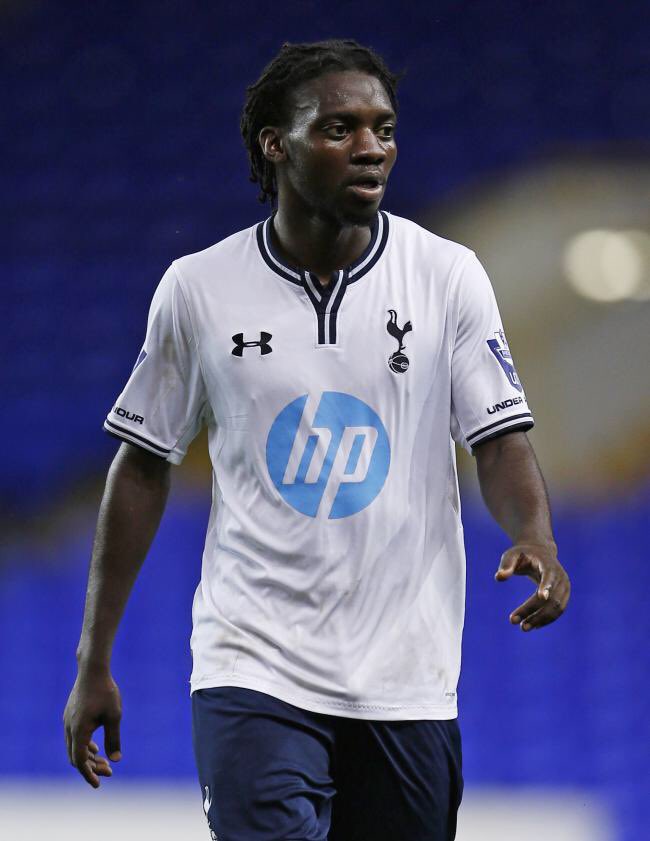


 superhotspur